





A Brisbane tug of war team training in Taigum is questioning why the sport is no longer included in the Olympic program, despite its long competitive history and continued local participation.
Why Tug Of War Is No Longer An Olympic Sport
Tug of war was contested at the Summer Olympic Games from 1900 to 1920 as a team-based event within the athletics program. After the 1920 Games, the sport was removed as part of broader changes that reduced the number of events included in the Olympic schedule.
More than a century later, members of a Brisbane-based tug of war team training in Taigum have questioned why the sport is no longer part of the Olympic program. The view, expressed at a participant level, centres on the sport’s physical demands, emphasis on teamwork, and reliance on endurance and strategy rather than individual performance.
These observations are raised as personal reflections, rather than as part of any formal campaign or proposal.
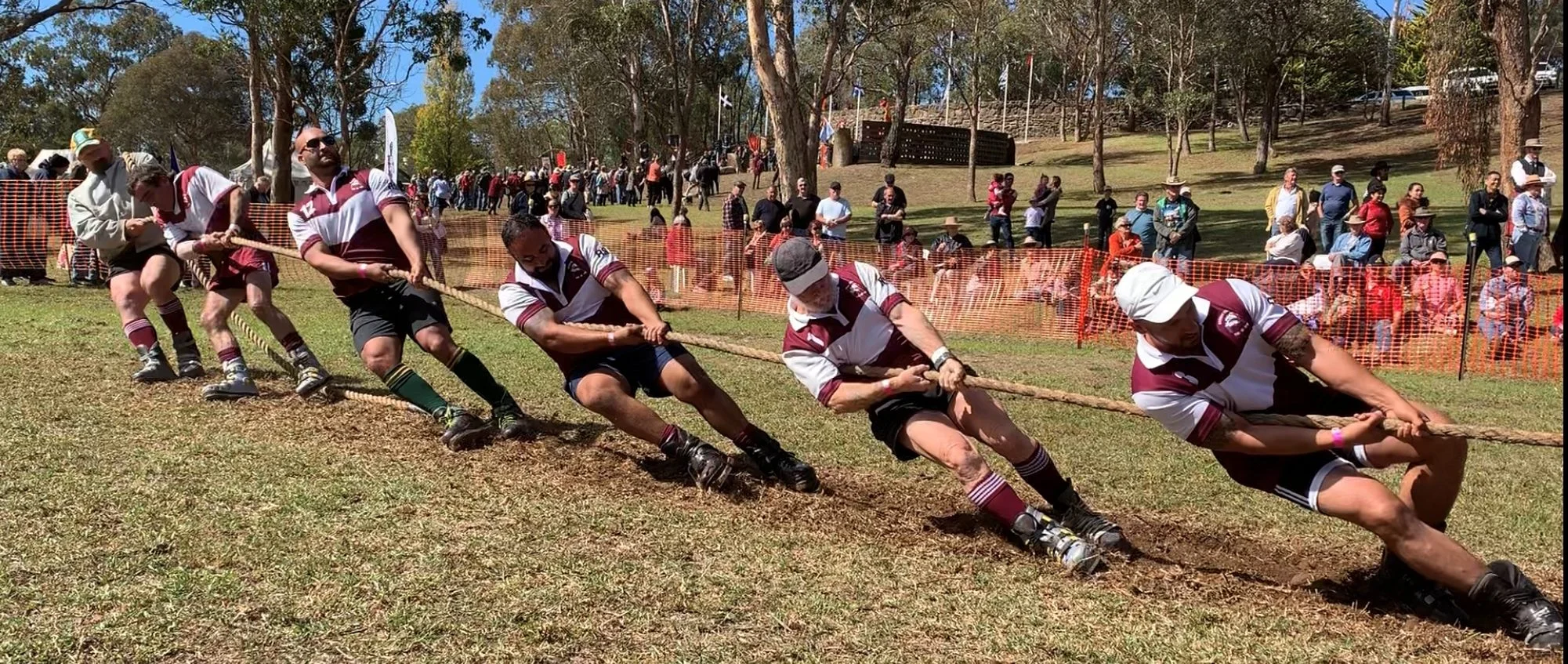
Training Continues Despite Olympic Absence
While tug of war is no longer contested at the Olympic level, local training continues in Taigum, where a Brisbane team meets weekly to prepare for competition. Sessions focus on maintaining consistency, fitness and coordination, reflecting the requirements of high-level matches.
The team, known as the Brisbane Bulldogs, has trained together for around a decade, with gradual improvement achieved through structured coaching and regular practice.
An Ancient Sport With Deep Cultural Roots
Tug of war is one of the world’s oldest organised sports, with a history spanning thousands of years. Its origins are closely linked to Asia, where it continues to be practised as both a competitive activity and a cultural tradition.
Different techniques are used across regions of India, including styles observed in southern areas such as Kerala and alternative approaches in northern regions. These traditions influence how the sport is taught and performed within community groups in Australia.
Training in Taigum takes place behind a Sikh temple, a setting that reflects these longstanding cultural connections.
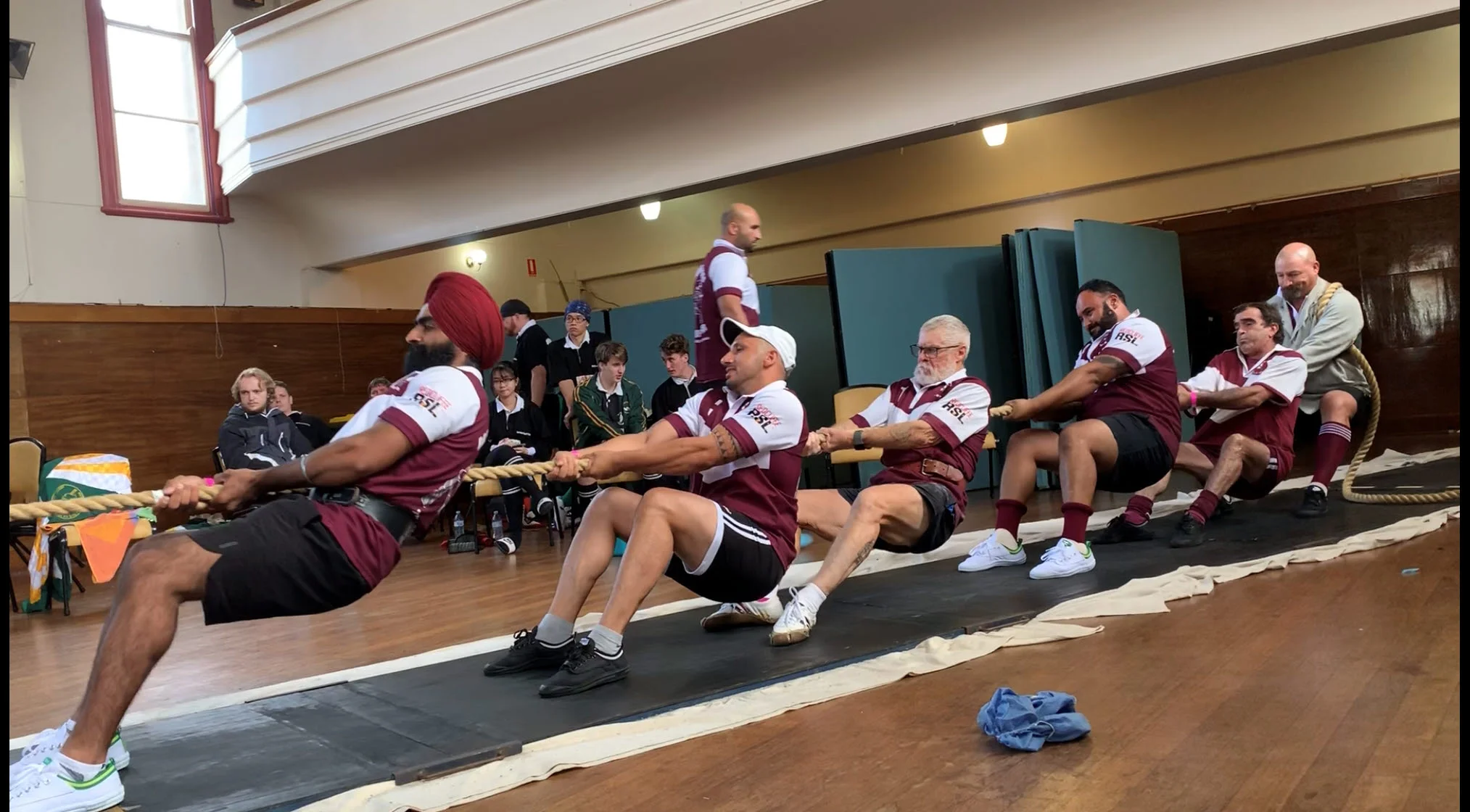
Technique, Endurance And Team Structure
Coaching places emphasis on fitness, breathing control, body height and coordinated movement, rather than relying solely on strength. Each participant manages a substantial load on the rope, making balance and timing essential.
Tug of war is structured so that every position on the rope has a defined role. A lapse by one team member can affect the entire group, reinforcing the importance of collective discipline and endurance, particularly during competitions involving multiple pulls in a single day.
Community Pathways Into The Sport
Several team members were introduced to competitive tug of war through community sporting events, including the Australian Sikh Games, held in Brisbane in 2016. These events provided an entry point into organised training and ongoing participation.
Despite its absence from the modern Olympic program, tug of war continues to be practised at a grassroots level in Taigum, supported by long-term commitment from participants and a focus on preserving the sport’s traditional and competitive elements.
Published 9-Jan-2026
Photo Credit: Brisbane Bulldogs/Facebook