



New World Order: How The 2026 World Cup Shifted Football’s Balance

Spain lifted the trophy, but the biggest story of the 2026 FIFA World Cup reached far beyond the final whistle.

Across a month of football in North America, the established powers still found their way into the closing rounds, yet the margin separating them from the rest of the world looked smaller than ever. Brazil fell to Norway. Germany’s campaign ended in a penalty shootout against Paraguay. Morocco backed up its breakthrough in Qatar by reaching another semi-final after eliminating the Netherlands, while Cabo Verde stretched Argentina into extra time before finally being beaten.

None of those nations lifted the trophy. All of them left the tournament with greater credibility than when they arrived. All of them changed the conversation.

By the time Spain edged Argentina 1-0 after extra time in the final, this World Cup had become about far more than one country’s triumph. Reputation no longer guaranteed progress, and football’s traditional hierarchy felt less certain than it had four years earlier. It was a tournament that echoed Arrigo Sacchi‘s enduring observation:

“Football belongs to whoever plays it best.”
— Arrigo Sacchi

Nobody Had An Easy Run

Look back through the knockout bracket and one thing stands out immediately: every favourite was forced to earn its place.

Argentina needed extra time to eliminate Cabo Verde in the Round of 16 before edging Switzerland in the quarter-finals and then England in the semi-finals.

Spain’s route to the title took them through Austria in the Round of 16, Portugal in the quarter-finals, France in the semi-finals and finally Argentina in the final, while England found themselves recovering from deficits against Mexico in the Round of 16 and Norway in the quarter-finals before securing third place against France in the bronze medal match.

Even Brazil, so often expected to contend deep into a World Cup, never reached the quarter-finals after Norway’s Round of 16 upset of Brazil produced one of the tournament’s defining results.

The names in the final four were familiar. The journey to get there was anything but.

The Gap Has Closed

For years, football has talked about the rise of nations outside the traditional elite. In 2026, that conversation finally felt settled.

Morocco proved their run to the semi-finals in Qatar was not a once-off. Paraguay’s penalty shootout win over Germany sent another heavyweight home early. Norway’s victory over Brazil confirmed they were no longer outsiders. Egypt’s Round of 16 victory over Australia and Switzerland’s penalty shootout win over Colombia reinforced how little now separates many of the world’s best teams.

None of those results would have been dismissed as impossible. A decade ago, several would have been.

That may be the clearest sign yet of how much international football has changed.

Different Heroes Stepped Forward

One of the defining themes of the tournament wasn’t the farewell of an ageing superstar. It was the arrival of players now ready to become the faces of the next World Cup cycle.

Jude Bellingham (England) drove England through the knockout rounds, scoring twice against Norway before adding another in the bronze medal match. Bukayo Saka (England) finished the tournament with a hat-trick against France. Spain never relied on one match-winner either. Ferran Torres (Spain) settled the final in extra time after Pedro Porro (Spain), Mikel Oyarzabal (Spain) and Mikel Merino (Spain) had all delivered decisive moments earlier in the tournament.

Argentina still leaned on Lionel Messi (Argentina), but Lautaro Martínez (Argentina) and Enzo Fernández (Argentina) increasingly shaped the biggest moments. Norway’s charge owed much to Erling Haaland (Norway), whose performance against Brazil became one of the images of the tournament.

The stars were recognisable. The balance between generations had unmistakably shifted.

Winning Became A Squad Exercise

The deeper the tournament went, the less it resembled a contest decided by starting XIs alone.

Extra-time football became a recurring feature of the knockout rounds. Spain’s victory over Argentina in the final, England’s comeback against Norway in the quarter-finals and Norway’s upset of Brazil in the Round of 16 all demanded more than 90 minutes of planning from the coaches involved.

Tactical flexibility, fresh legs and the ability to change a match from the bench became just as valuable as individual brilliance.

Depth was no longer a luxury. It became a requirement.

Spain Set The Standard

Spain deserved to be champions not because they dominated every opponent, but because they consistently found answers.

Their path to the trophy took them past Austria in the Round of 16, Portugal in the quarter-finals, France in the semi-finals and Argentina in the final. Each opponent posed a different challenge, yet Spain adapted every time. Their success was built on structure, patience and contributions from throughout the squad rather than dependence on one headline name.

In a tournament defined by narrow margins, that proved to be the difference.

A Different World Cup

Every World Cup leaves behind a champion.

Some leave behind something bigger.

The lasting memory of 2026 may not be Spain lifting the trophy. It may be the moment football finally accepted that the old hierarchy no longer offers guarantees. Traditional powers remain exactly that — powerful. But every four years, more nations arrive believing they belong, and increasingly they have the performances to justify that belief.

Spain won the World Cup.

The rest of the world ensured the race for the next one is more open than it has been in decades.

Published 20-July-2026

Free Kitchen Caddies Available From Bracken Ridge Ward Office

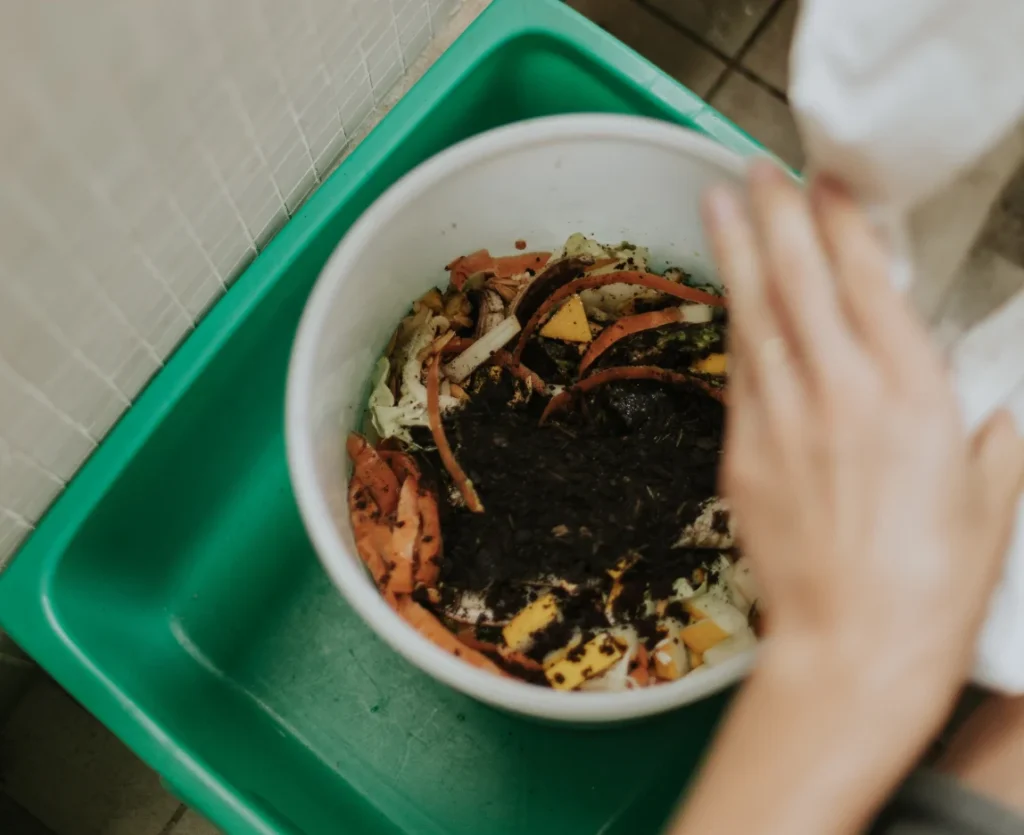
Bracken Ridge compost caddies are available free to ward residents who register for BCC’s Community Composting program, with collection through the ward office at Bracken Ridge Library.


The kitchen caddies are designed to collect food scraps at home and transport them to a participating community composting hub. Registered participants should contact the ward office before visiting to confirm that caddies are available.

Using Bracken Ridge Compost Caddies

Community composting hubs provide places where food scraps and other accepted organic material can be turned into nutrients for soil.

BCC runs the program in partnership with community gardens across Brisbane. Residents must register online to participate and can search for a nearby hub by entering their address or suburb.

Food waste accounts for more than 25 per cent of the average Brisbane kerbside red-lid bin. Composting suitable scraps helps reduce the amount of food waste sent to landfill and the harmful greenhouse gas emissions associated with it.

At a participating hub, residents place fruit and vegetable scraps into the designated food-scrap bin. Carbon material is then added from a separate bin before the compost bin is closed. Participants should follow the onsite instructions at their chosen location.

What The Free Offer Covers

The free offer covers the kitchen caddy available to registered participants. It does not identify composting equipment, private composting services or all hub services as free.

Residents should contact their selected hub before visiting to confirm its drop-off hours, accepted materials and whether any fees apply. Requirements may differ between locations.

The Bracken Ridge compost caddies are intended for suitable food scraps. Plastics, styrofoam, treated wood, oil and grass clippings cannot be placed in the composting bins because the program accepts organic material only.

Workshops and tours may also be available for residents interested in learning more about composting. Individual hubs can also be contacted about volunteer opportunities.

Bracken Ridge compost caddies
Photo Credit: Pexels

Separate Rebates For Home Equipment

Residents without a nearby community composting hub can consider composting at home or volunteering at an existing hub.

A separate Compost Rebate program provides up to $100 towards eligible composting or worm-farming equipment. A rebate of up to $200 is available for eligible food-waste dehydrators or in-sink food-disposal systems.

The rebate applies only to eligible purchases and is separate from the free kitchen caddy offer.


Bracken Ridge Ward residents seeking a caddy must register online and contact the ward office at Bracken Ridge Library to confirm availability. Hub hours, accepted materials and possible fees should also be checked before food scraps are taken for drop-off.

Published 15-July-2026

Photo Credit: Pexels

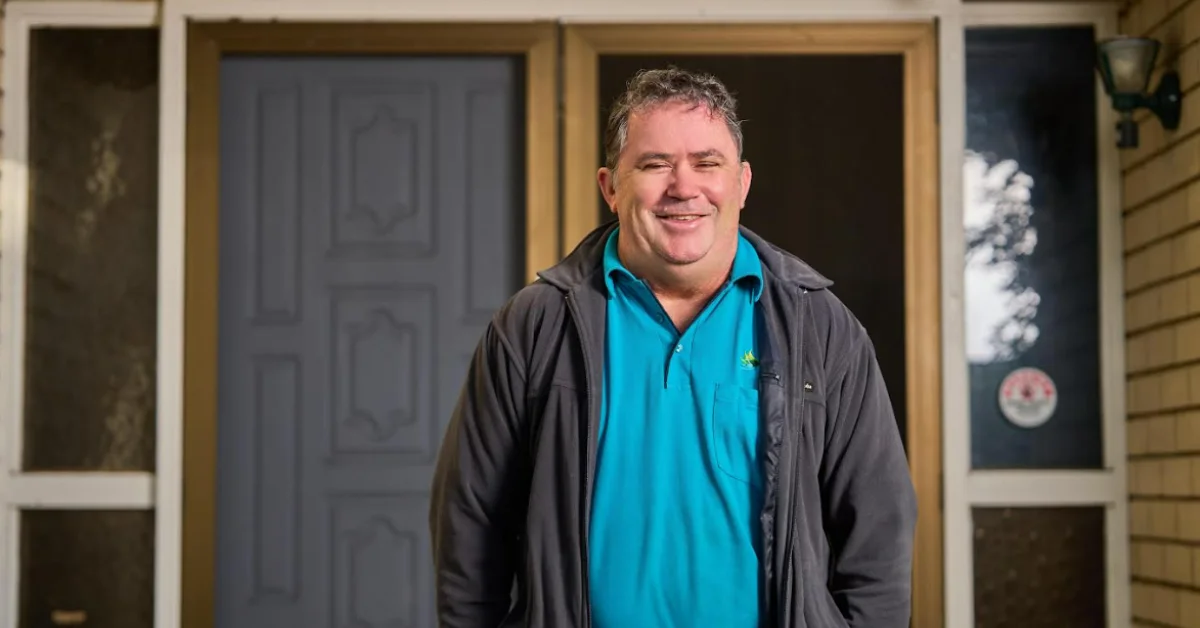
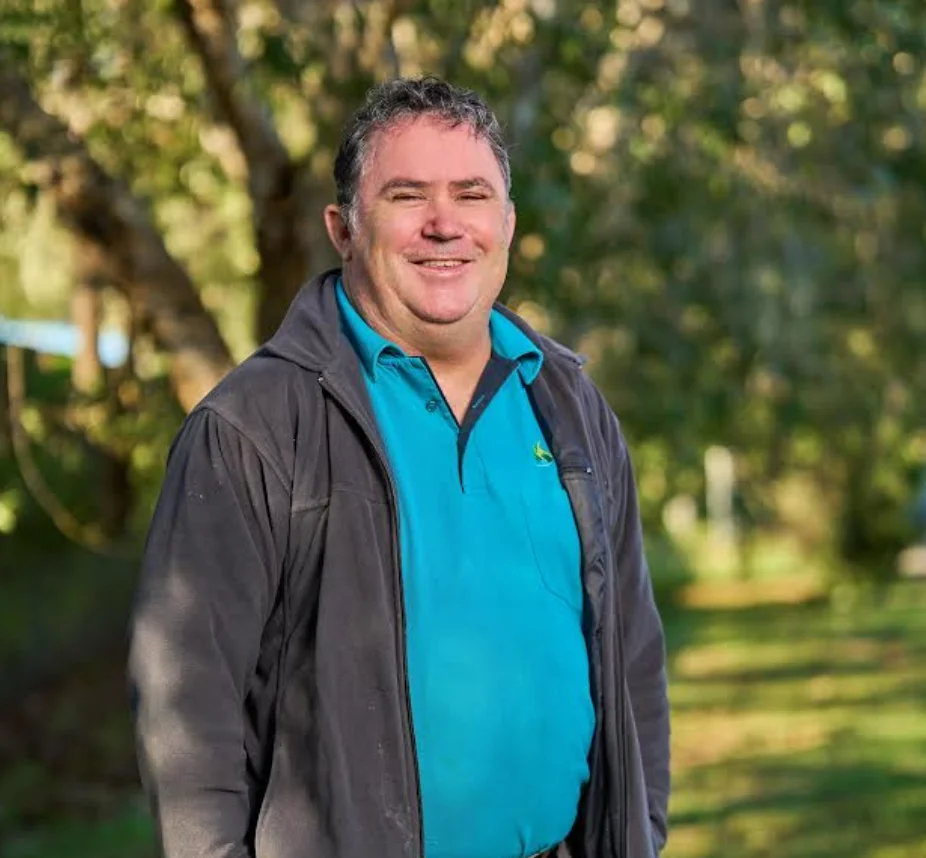
Dave McNair Marks 20 Years Supporting Homeless Youth in Bald Hills

A Year 10 work experience placement set Dave McNair on a career path that has now spanned three decades, including 20 years helping young people experiencing or at risk of homelessness in Bald Hills.


A Placement That Changed His Direction

McNair’s interest in social work began during a Year 10 placement with Youth With a Mission. The experience introduced him to homelessness and related difficulties, including drug and alcohol addiction, mental health struggles and long-term unemployment.

He went on to work with people experiencing homelessness in inner Sydney. What began during his school years developed into a career that has continued for three decades.

Dave McNair during his 20-year service milestone
Photo Credit: Supplied

Twenty Years Supporting Young People in Bald Hills

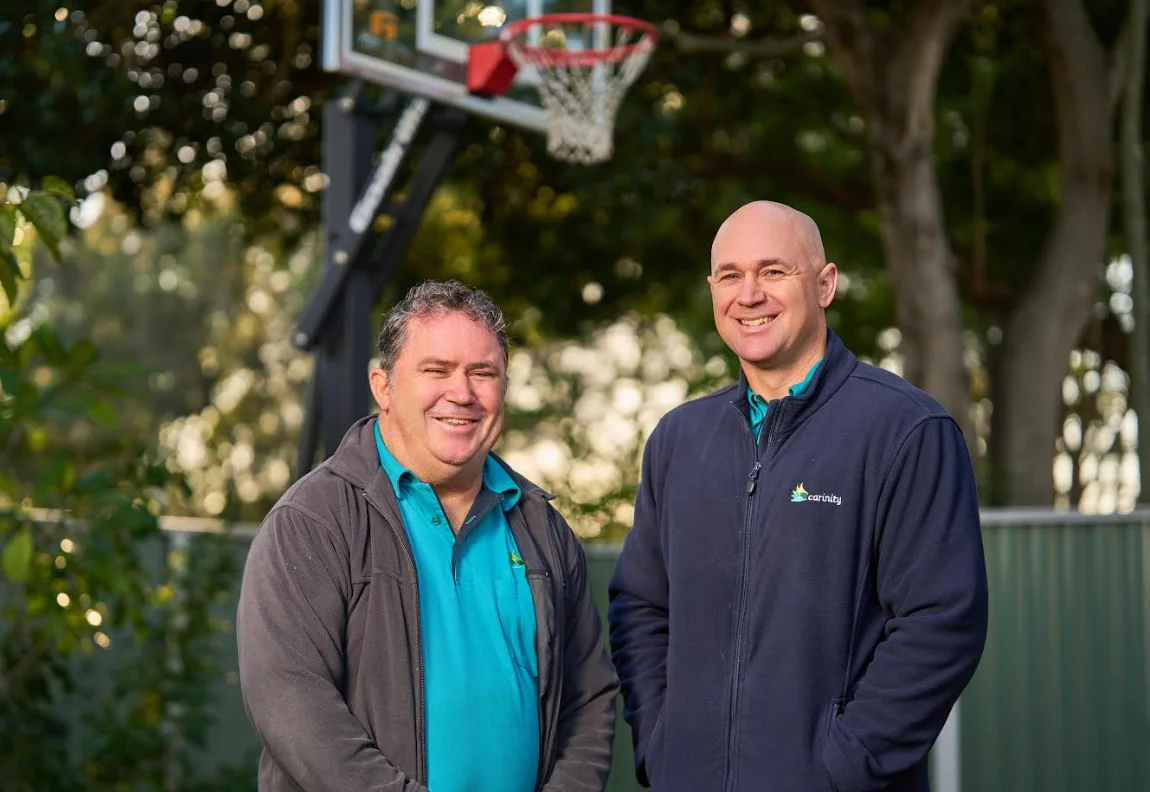
McNair recently marked 20 years at Carinity Orana, a Bald Hills shelter for homeless young people and those at risk of becoming homeless.

As program coordinator, he helps residents prepare for independent living and work towards more positive futures.

Carinity Orana has supported young people since 1981. Operating like a family home, it can accommodate up to five residents at a time, with an average stay of six months. Some of the young people supported there are as young as 16.

Youth workers help residents access education and training, employment, counselling, recreational activities and new social networks. McNair has credited the team he leads for its work supporting young people through those opportunities.

Familiar Problems in a Changing Environment

Digital technology has been one of the biggest changes McNair has observed during his two decades at the shelter.

It has altered service delivery and the way young people engage with technology. For many, it also provides another way to remain connected with their support networks.

Other difficulties have remained familiar. Family breakdown continues to be a major driver of youth homelessness, particularly for young people beginning adult life without support from their families.

McNair has observed that these longstanding issues have become more pronounced because of the cost of living and housing crisis.

Dave McNair at Carinity Orana in Bald Hills
Photo Credit: Supplied

Support Beyond the Shelter

Many young people referred to Carinity Orana lack basic items such as clothing, uniforms, toiletries and linen. Some also have no access to transport.

Local churches and other community supporters assist by providing packs, non-perishable food and other donations. Their contributions support young people while staff help them pursue education, employment, counselling and greater independence.


After three decades working with people experiencing homelessness, McNair remains struck by the ability of young people to find positive paths forward despite difficult circumstances.

Published 13-July-2026

Photo Credit: Supplied

Maroons Couldn’t Break The Blues’ Grip As Cleary Guides NSW To Origin Shield

Queensland had done the hard part.

After losing the series opener, the Maroons responded in Perth to force a State of Origin decider back to Suncorp Stadium, putting themselves within 80 minutes of retaining the shield. What they couldn’t do on Wednesday, July 8, was wrestle control of the contest away from Nathan Cleary and a New South Wales side that dominated territory, possession and the biggest moments on its way to a 30-12 victory.

Cleary scored two tries, kicked four conversions and a penalty goal before collecting the Wally Lewis Medal as player of the 2026 series, but his greatest influence came through his game management. Whenever Queensland looked capable of building pressure, the Blues halfback calmly steered the contest back onto New South Wales’ terms.

Queensland Lost The Territory Battle

The opening quarter was as tight as any Origin decider should be. Both teams spilled early possession, neither side found much attacking rhythm and there was little to separate them until New South Wales began winning the battle that shaped the rest of the night — field position.

The Blues completed 38 of their 44 sets at 86 per cent, while Queensland managed 31 completions from the same number of opportunities at 70 per cent. That gap flowed through the key statistics. New South Wales enjoyed 54 per cent possession, held the ball for nearly four-and-a-half minutes longer, ran for 1,457 metres to Queensland’s 1,260 and finished with 853 kicking metres compared with the Maroons’ 604.

Queensland’s effort in defence could hardly be questioned. The Maroons made 370 tackles but missed 47, compared with 34 by the Blues, while repeated defensive sets gradually allowed New South Wales to wear Queensland down.

Nine Minutes That Mattered

Queensland had defended strongly enough to stay in the contest until Cleary broke through for the opening try in the 14th minute.

The match then swung decisively.

Stephen Crichton’s line break created Cleary’s second try before Cameron Murray, only moments after entering from the interchange, burst through the middle after breaking the line himself to extend the lead to 18-0. In the space of nine minutes, an arm wrestle had become a chase.

Hamiso Tabuai-Fidow’s try shortly before halftime gave Queensland hope, but Sam Walker’s missed conversion left the Maroons trailing 18-4 rather than within two converted tries. It proved the first of three missed conversion attempts that ultimately left six points on the field.

The Comeback Never Came

Queensland emerged after the break with renewed energy.

Consecutive set restarts finally pinned New South Wales inside its own half before Selwyn Cobbo crossed to reduce the margin to 18-8 and lift the Suncorp crowd.

The Blues answered almost immediately.

Bradman Best restored the three-score advantage after another polished attacking movement before Cleary converted. Jojo Fifita’s second-half try again gave Queensland a chance to build, but another missed conversion meant the Maroons still hadn’t fully capitalised on their opportunities.

The three missed conversions were costly, but they reflected a broader problem. Queensland never generated enough sustained pressure to make New South Wales uncomfortable. Thirteen handling errors repeatedly handed the initiative back to the Blues, whose kicking game and completion rate ensured the Maroons were constantly working out of their own end.

Blues Finish The Job

New South Wales also overcame setbacks that could easily have unsettled the side. Captain James Tedesco failed a head injury assessment late in the first half and did not return, while Jack Bostock also failed a head injury assessment after the break.

The Blues barely changed.

Their defensive structure remained intact, Cameron Murray’s impact from the bench strengthened the middle and Cleary continued to dictate the contest until a late penalty goal effectively sealed the result before Hudson Young crossed after the full-time siren.

Queensland will review a completion rate of just 70 per cent, 13 handling errors and a night spent chasing territory. New South Wales completed their sets more consistently, kicked more effectively and trusted Cleary to control the biggest moments. On a night when the Maroons needed to dictate terms at Suncorp, they never managed to do it, and the Origin shield is heading back to New South Wales.

Match Summary

Queensland Maroons 12 (Hamiso Tabuai-Fidow, Selwyn Cobbo, Jojo Fifita tries)

lost to

New South Wales Blues 30 (Nathan Cleary 2, Cameron Murray, Bradman Best, Hudson Young tries; Nathan Cleary 4/5 goals, penalty goal)

Halftime: New South Wales 18-4

Wally Lewis Medal: Nathan Cleary (New South Wales)

Published 8-July-2026

A Feathered Rescue Sparks a Local Kindness Campaign in Bracken Ridge

Queensland Police officers attending a routine youth engagement event in Bracken Ridge successfully intercepted a wayward pet chicken that had wandered into the path of high-speed traffic, triggering an impromptu act of generosity for a local animal sanctuary.


Bracken Ridge
Photo Credit: Queensland Police

The event took place during a community barbecue held at a local skatepark. As officers from the Gateway District Crime Prevention Unit and Boondall Police Station were speaking with local residents, they noticed the bird making its way toward the busy road. 

Senior Constable Diana Kratochvil took immediate action to secure the animal, ensuring it was removed from danger before transporting it to the Animal Welfare League Queensland (AWLQ) Warra Animal Shelter for a medical assessment.

Bracken Ridge
Photo Credit: Queensland Police

Upon arriving at the shelter, the officers noticed the facility’s growing list of required supplies. Sergeant Jodie Murray, who had assisted with the rescue, proposed that the police unit organise a community-led drive to gather essential items for the facility. 

The officers spent the following days collecting food, toys, and various pet essentials requested by the shelter staff. The initiative served as a practical way to extend their community outreach beyond traditional policing duties.


Bracken Ridge
Photo Credit: Queensland Police

The incident provided a memorable teaching moment for the young people who had gathered at the skatepark for the initial event. The officers used the rescue to discuss the broader importance of animal welfare and individual responsibility within the community. 

According to reports from the shelter, the chicken has since been adopted into a permanent home. While the details regarding how the bird reached such a precarious location remain a mystery, the officers have formally cleared the situation of any suspicious activity, jokingly dismissing the idea of any intentional wrongdoing.

Published Date 05-June-2026

Photo Credit: Queensland Police

Man Dies After Restraint Incident at Bracken Ridge Bottle Shop

A 36-year-old man has died following an incident at a Bracken Ridge bottle shop on Wednesday night, after he was restrained by staff and bystanders while reportedly armed with a screwdriver.


The Bracken Ridge bottle shop death occurred at Harry Brown’s, the liquor store operating within the Bracken Ridge Tavern on Barrett Street, with emergency services called to the scene shortly after 8pm. Witnesses say the man had been causing a disturbance and was carrying a screwdriver when workers and members of the public stepped in to restrain him. He lost consciousness during the restraint, and despite police performing CPR on arrival, he could not be revived.

Queensland Police have since opened an investigation into the circumstances of the man’s death, and a report will be prepared for the coroner.

Both Harry Brown’s and the Bracken Ridge Tavern were open as normal the following day, Thursday. The tavern issued a statement on Facebook expressing condolences to the man’s family and friends, and acknowledging the toll the event had taken on those who were there.

The venue also acknowledged the courage shown by the people who intervened, noting it had been a serious security incident that ended in tragedy. The statement recognised the tavern’s long-standing ties to the local area, and thanked the community for the support shown to all those affected in the hours since.


The coroner will ultimately determine the cause and manner of the man’s death. Anyone in the community with information relevant to the incident is encouraged to contact Queensland Police.

Published 2-July-2026

When Your GP Says, “You’ll Need a Scan”: Why a New Carseldine Imaging Clinic Matters

Most people don’t give much thought to diagnostic imaging until the day their doctor says, “I’d like you to have a scan.”

For Sarah*, what began as persistent shoulder pain after a weekend of gardening ended with a referral from her GP. The doctor suspected more than a simple strain and recommended an X-ray, with the possibility of an MRI if further investigation was needed.

Like many patients, Sarah’s questions came almost immediately. Where do I go? How long will I have to wait? Will Medicare cover it? And if I need more than one type of scan, will I have to travel to different clinics?

Sarah’s experience is far from unusual. According to the Australian Institute of Health and Welfare, more than 10 million Australians—almost two in five people—received over 27 million Medicare-subsidised diagnostic imaging services in 2022–23, highlighting the important role imaging plays in diagnosing injuries, illnesses and ongoing health conditions.

For many patients, the clinic isn’t somewhere they ever expect to visit—it’s somewhere they hope they’ll never need. But when that referral does arrive, having quality diagnostic imaging available close to home can make an already stressful experience a little easier.

Now, residents across Brisbane’s north have another local option, with RRD Imaging opening a comprehensive diagnostic imaging clinic at The Village Carseldine.

More Than Just a Scan

Diagnostic imaging often provides the missing piece of the puzzle between symptoms and treatment.

Whether it’s investigating persistent pain, confirming a fracture, assessing a sporting injury, screening for breast cancer, monitoring bone health or examining internal organs, imaging helps doctors make informed decisions about what should happen next.

While patients often think of “getting a scan” as a single appointment, the reality can be more complicated. Depending on what’s being investigated, a doctor may require different types of imaging, each designed to answer different clinical questions.

One Referral, One Location

For Sarah, the possibility of needing both an X-ray and an MRI raised another concern.

Would she need to visit multiple providers?

It’s a situation many patients encounter. Depending on the provider, not every imaging service is available at every location. More specialised examinations such as MRI, bone density (DEXA), mammography or dental cone beam CT (CBCT) may require appointments at different facilities.

The new Carseldine clinic brings these services together under one roof, offering MRI, CT, ultrasound, X-ray, mammography, bone density scanning, orthopantomogram (OPG), CBCT, lung cancer screening and selected image-guided procedures.

For patients, that can mean fewer bookings, less travelling between different facilities and a simpler experience when more than one type of examination is required.

“RRD Imaging Carseldine has been purpose-built to provide residents of Brisbane’s northside with access to advanced diagnostic imaging technology comparable to that available in major metropolitan hospitals,” the RRD Imaging Lead Radiologist said.

“Our equipment has been selected to deliver high-quality diagnostic imaging while incorporating features designed to improve patient comfort, reduce scan times and support accurate diagnoses.

“By bringing these services together in a modern, community-based setting, patients and referring practitioners can access high-quality diagnostic care closer to home without the need to travel significant distances.”

Faster Answers Can Mean Faster Treatment

For many patients, the most difficult part isn’t the scan itself—it’s waiting.

Delays in diagnostic imaging can delay diagnosis and, in turn, treatment planning, particularly when doctors are trying to determine what’s causing a patient’s symptoms.

RRD Imaging’s Lead Radiologist points out that timely access had been a key consideration in designing the new clinic.

“We understand that timely access to diagnostic imaging is critical for patient care. Delays in imaging can result in delays to diagnosis and treatment.

“For this reason, our goal is to offer same-day or next-day appointments for most examinations wherever possible, helping to minimise wait times and enabling referring practitioners to make treatment decisions sooner.”

According to RRD Imaging, routine examination reports are generally provided to referring doctors within 24 to 48 hours, while urgent examinations may be prioritised and reported within two to four hours where clinically appropriate. Critical findings are also communicated directly to the referring practitioner when immediate attention is required.

Affordable Access Close to Home

Cost is another question many patients ask after receiving a referral.

Affordability is also a priority.

“At RRD Imaging, we are committed to making high-quality diagnostic imaging accessible, affordable and convenient for the community. We will bulk bill the vast majority of Medicare-eligible examinations where clinically appropriate.”

For services that do attract a gap payment, patients can generally expect out-of-pocket costs of around $20 to $150, depending on the examination, with fee information provided upfront before appointments so there are no surprises.

Another Piece of the Healthcare Puzzle

Sarah’s story is fictional, but the journey is one many people will recognise.

Whether it’s a child who falls off a bike, an athlete recovering from injury, someone attending a routine breast screen or pre-natal imaging, or an older person investigating osteoporosis, diagnostic imaging is often the next step after a visit to the doctor.

As Brisbane’s northern suburbs continue to grow, so too does the need for healthcare services closer to where people live. The arrival of a comprehensive imaging clinic in Carseldine adds another option for local patients and referring doctors—bringing a broad range of imaging services, same-day or next-day appointments for many examinations where possible, bulk billing for the vast majority of Medicare-eligible examinations where clinically appropriate, and the convenience of having multiple diagnostic services available under one roof.

Planning Your Visit

RRD Imaging Carseldine

RRD Imaging’s Carseldine clinic offers a comprehensive range of diagnostic imaging services, including:

  • MRI
  • CT
  • Ultrasound
  • X-ray
  • Mammography
  • Echocardiogram
  • Bone Density (DEXA)
  • Orthopantomogram (OPG)
  • Cone Beam CT (CBCT)
  • Lung Cancer Screening
  • Image-guided procedures

Patients can also expect:

  • Same-day or next-day appointments for many examinations where possible
  • Modern diagnostic imaging equipment
  • An experienced imaging team
  • Bulk billing for the vast majority of Medicare-eligible examinations where clinically appropriate
  • Digital referrals accepted
  • Online appointment bookings
  • WorkCover, Department of Veterans’ Affairs (DVA) and a wide range of insurance referrals accepted
  • Community-focused care close to home

RRD Imaging Carseldine officially opens on 1 July at Level 1, The Village, 520 Beams Road.

Published 29-June-2026

Sarah is a fictional patient whose story has been created to illustrate a common healthcare journey. This article contains information and imagery supplied by the clinic. RRD Imaging is a Proud Promotional Partner of Brisbane Suburbs Online News.

Socceroos’ World Cup Ends In Penalty Heartbreak Against Egypt

The Socceroos had the game in front of them.

Not comfortably. Not cleanly. But after falling behind early, losing Jordy Bos before halftime and riding out Egypt’s late pressure, Australia had dragged its Round of 32 clash in Arlington all the way to penalties.

That was where the dream ended.

Australia’s FIFA World Cup campaign came to a painful close at Dallas Stadium on Saturday, July 4 (AEST), beaten 4-2 in a shootout by Egypt after the match finished 1-1 following extra time.

For the Socceroos, it means the wait for a first men’s World Cup knockout victory goes on. For Egypt, it means a place in the Round of 16 and a meeting with Argentina.

Australia Starts Brightly But Pays For One Lapse

Tony Popovic kept faith with the same starting side that drew 0-0 with Paraguay, with Harry Souttar again captaining the team and Nestory Irankunda leading the line.

Australia began with enough intent to suggest the occasion had not overwhelmed them. Cristian Volpato skimmed the top of the bar from distance, Jordy Bos carried the ball with purpose down the flank, and the Socceroos found early joy whenever they moved the ball quickly into Egypt’s half.

Egypt, though, needed only one lapse to take the lead.

After Australia failed to fully clear a set-piece situation in the 13th minute, Karim Hafez clipped the ball back into the area and Emam Ashour timed his run superbly to head past Patrick Beach.

From Australia’s perspective, it was a disappointing goal to concede after such a positive opening.

The response, however, was encouraging. Australia did not retreat or allow the match to drift away. Volpato continued to find pockets of space, Aziz Behich forced Mostafa Shobeir into a save after clever work from Irankunda, and a series of set pieces gradually began asking questions of Egypt’s defence.

By halftime, the Socceroos were still behind, but they remained firmly in the contest.

The greater concern was Bos, who was forced off with a knee injury after a heavy challenge late in the half. Kai Trewin replaced him for his World Cup debut.

O’Neill Delivery Brings Australia Back

The second half opened with chances at both ends.

Omar Marmoush squandered a major opportunity for Egypt soon after the restart, while Jackson Irvine’s cross at the other end only just escaped Connor Metcalfe arriving at the back post.

Australia eventually found its reward in the 55th minute through a set piece that had looked increasingly dangerous throughout the morning.

Aiden O’Neill won the free kick before curling an inviting ball into the six-yard area. Mohamed Hany attempted to deal with it but could only glance the ball into his own net.

It went down as an own goal, but Australia had earned it through sustained pressure and persistence.

For a period after that, the match felt there to be taken. Popovic introduced Mohamed Touré and Ajdin Hrustic as Australia searched for fresh legs and greater attacking spark, but neither side could find the decisive breakthrough.

Egypt finished regulation time strongly and Beach, who had already been one of Australia’s standout performers throughout the tournament, produced another defining moment when he somehow kept out Rami Rabia’s powerful header to force extra time.

Penalty Gamble Falls Short

Extra time was tense rather than expansive.

Egypt enjoyed more of the territory without creating many clear openings, while Australia looked to spring forward whenever space appeared. Awer Mabil, introduced alongside Paul Okon-Engstler at the start of extra time, created Australia’s final opportunity when he won a free kick just outside the penalty area in the 117th minute.

His effort struck the defensive wall.

With penalties approaching, Popovic made one final change.

Maty Ryan replaced Beach in the 119th minute, taking over both the gloves and the captain’s armband for the shootout.

It was a bold decision and one that will inevitably be discussed. Beach had been outstanding throughout the tournament, but Popovic backed the experience of Ryan for the penalties.

Egypt held its nerve.

Jackson Irvine and Mabil converted Australia’s first two spot kicks, but Harry Souttar lifted his effort over the crossbar before Lucas Herrington’s penalty cannoned off the woodwork.

Egypt converted all four of its attempts, with Hossam Abdelmaguid calmly sending Ryan the wrong way to seal the shootout and Australia’s elimination.

A Campaign That Leaves Hope As Well As Heartbreak

There won’t be much consolation immediately after a defeat like this.

Australia had enough of the game to believe it could progress. The Socceroos responded well after conceding early, defended resolutely for long periods and found an equaliser that shifted momentum. Beach again produced crucial saves and, for much of the second half, Australia looked every bit capable of finding a winner.

That is why this defeat will hurt.

There will be questions over the late goalkeeper substitution, the missed penalties and Australia’s inability to turn promising attacking passages into goals from open play. They are all conversations Popovic and his staff will have once the disappointment begins to settle.

Beyond that disappointment, though, this tournament also offered genuine reasons for optimism. Beach emerged as one of Australia’s breakout performers, Volpato looked increasingly comfortable at international level, while Irankunda, Herrington, Bos and Okon-Engstler gained invaluable experience on football’s biggest stage.

The Socceroos reached the knockout rounds for only the third time in their history and came within a penalty shootout of taking another step forward.

That won’t ease the disappointment in the dressing room today.

In time, however, this campaign may be remembered not only for the heartbreak in Dallas, but for the foundations it laid for the next generation of Australian football.

Published 4-July-2026

Bracken Ridge Now Has Two Places to Play Pickleball — and One of Them Just Got Upgraded

Bracken Ridge residents have not one but two free pickleball locations within their suburb, with Ferguson Park on Barrett Street and Enbrook Parkland both offering courts as part of Brisbane’s growing network of more than 20 public pickleball sites.


For a northern suburb 18 kilometres from the CBD with a strong community sport culture, the availability of two separate courts means the sport is genuinely accessible without a drive, whether you are heading out for a casual hit in the afternoon or looking for a place to introduce the game to family or friends for the first time.

Enbrook Parkland’s courts came with a full upgrade

Enbrook Parkland received its pickleball markings as part of a broader multi-use games area upgrade, with pickleball lines added to an existing half basketball court alongside soccer markings and built-in goals, giving the space genuine flexibility for different age groups and different games across the same surface. The upgrade made the most of existing infrastructure, adding new ways to use space that was already well-used by the local community.

Photo Credit: Google Maps

Ferguson Park on Barrett Street rounds out Bracken Ridge’s pickleball offering, giving residents a second free-to-use outdoor option on a shared multi-use court—a setup now common across Brisbane’s parks network.

Photo Credit: Brisbane App

Both courts are free, operate on a first-come, first-served basis, and require players to bring their own paddles, net and ball. A portable net is essential for dual-marked courts like these, which share their surface with other sports.

A game the world is discovering all at once

Pickleball was invented in 1965 on Bainbridge Island in Washington, USA, as a way to entertain bored families on a summer afternoon, combining elements of tennis, badminton and table tennis on a court roughly a quarter the size of a tennis court.

Photo Credit: USA Pickleball

Australia now has more than 155,000 active participants according to AusPlay data released in April 2025, a figure that has more than doubled in less than two years and continues to climb.

Pickleball participation has continued to rise since 2020 and is now the fastest-growing sport in the country. Its appeal is straightforward: the smaller court, lighter paddle and slower ball make it accessible from the very first session, and the doubles format means you are always playing with people rather than grinding through solo drills. It suits complete beginners as naturally as it does competitive players.

Other courts nearby

For Bracken Ridge residents wanting more options, the suburb sits within easy reach of several other Brisbane pickleball locations. Boondall’s Mulbeam Park on Muller Road, Banyo Memorial Park and Boyd Park in Nundah all offer courts within a short drive north or south along the corridor.

For those who want a structured introduction rather than a solo first attempt, Brisbane Pickleball Club runs weekly sessions across multiple Brisbane courts including come-and-try sessions designed for complete beginners with all equipment provided. For more information click here.


Published 18-May-2026

Featured Image Credit: Google Maps

Fitzgibbon Community on Alert after High-Value Rescue Puppies Stolen from Local Shelter

Two highly sought-after rescue puppies valued at thousands of dollars have been stolen from a Fitzgibbon animal shelter, sparking a desperate community search to bring them safely back.


puppies
Photo Credit: Queensland Police

Thieves targeted the Warra Animal Rehoming Centre on Telegraph Road late Tuesday night, striking at approximately 11:40 p.m. Queensland police investigators noted that the unknown offenders forced their way into the facility before snatching the two Staffordshire Bull Terriers, affectionately named Goose and Kryptos. The sudden theft forced the shelter, which is operated by the Animal Welfare League Queensland near the Bracken Ridge border, to close its operations entirely on Wednesday, 22 June 2026. 

These specific dogs are often targeted for their high market value, with typical Staffordshire Bull Terrier puppies selling for anywhere between $2,000 and $5,000 through private breeders. However, shelter workers stressed that their primary concern is not the monetary loss but the health and safety of the young animals. 

Staff members explained that the puppies were in the middle of receiving essential care when they were taken, making their safe return an urgent medical priority.


Police officially launched a public appeal on June 23, asking local residents to keep a close eye out for the missing dogs. Shelter representatives and law enforcement share the same goal of getting Goose and Kryptos back to a secure environment where they can finish their treatments. Authorities are urging anyone who spots the puppies or notices suspicious activity in the area to submit a report online through Policelink to help track down the offenders.

Published Date 25-June-2026

Photo Credit: Queensland Police