



Fitzgibbon Is Named After the Man Who Changed Queensland Rail

On Brisbane’s northside, where modern housing meets remnants of bushland, there is little to suggest a place anchored in colonial drama. In Fitzgibbon, the suburban streets hum with the quiet routine of modern life, showing few visual clues to the fierce debates that once shaped the state. 


Embedded in the locality’s identity, however, lies the footprint of an Irish engineer who helped convince a cash-strapped colonial government to make a contentious infrastructure gamble.

An engineer with a cheaper way west

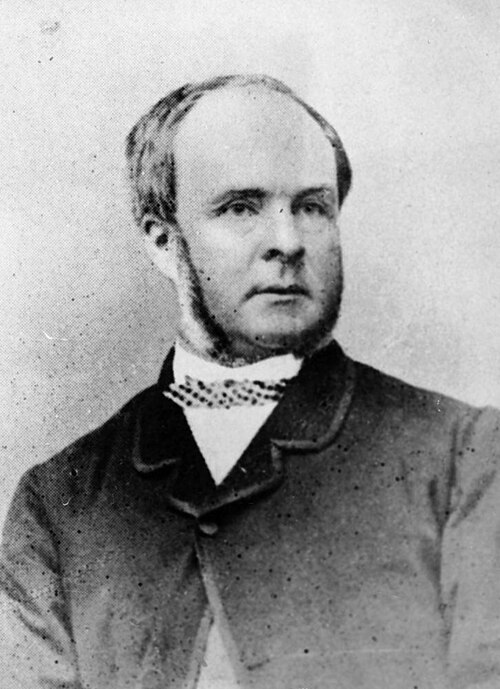
Colonial ambition demanded better access to the rich agricultural lands of the Darling Downs, while bullock teams struggled over rough roads vulnerable to bad weather. Abraham Fitzgibbon arrived in Queensland in June 1863 and was soon drawn into the colony’s search for an affordable railway. Appointed Chief Engineer in September, the former New Zealand railway consultant advocated a narrow 3 ft 6 in gauge rather than the 4 ft 8½ in standard gauge.
The narrower system promised cheaper construction and greater flexibility through difficult country. Opposition was fierce. Debate over the 1863 Railway Bill focused heavily on the proposed gauge, while critics in Parliament and the press questioned whether the colony was taking too great a risk on an unconventional main-line railway.

Queensland ultimately backed Mr Fitzgibbon’s approach.

Three feet six inches — and no turning back

Crews broke ground on the first section at North Ipswich in 1864 after months of political argument. Queensland’s first railway opened to Bigge’s Camp, later Grandchester, on 31 July 1865, and the network soon pushed west towards Toowoomba, Dalby and Warwick.

The opening vindicated narrow gauge as a workable railway system, but Mr Fitzgibbon’s own career remained contentious. Professional and political disputes continued around the railway program, and his contract was terminated in 1867.
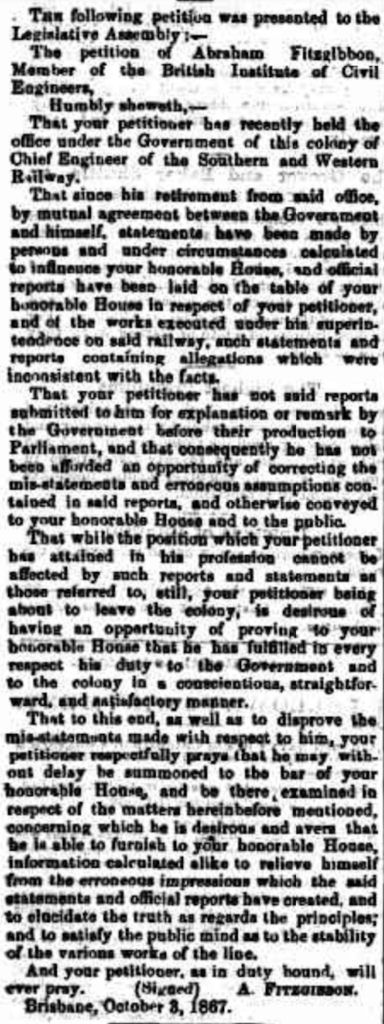
Abraham Fitzgibbon’s petition to the Queensland Legislative Assembly, dated 2 October 1867, in which the former Chief Engineer of the Southern and Western Railway challenged official reports about his conduct and sought an opportunity to defend his professional reputation.
Photo Credit:
National Library of Australia

Mr Fitzgibbon later returned to Britain and died at Bushey Heath, Hertfordshire, in 1887, but the gauge he championed endured. By the turn of the century, thousands of kilometres of narrow-gauge railway had been laid across Queensland, forming the backbone of a network that connected inland communities with ports and markets.

Much of Queensland’s rail system still operates on the same 1,067 mm gauge.

His name found a home a century later

A century after the first railway opened, Mr Fitzgibbon’s name resurfaced on Brisbane’s expanding northside. The suburb was formally named after him in 1971, giving a comparatively modern community an unexpected link to Queensland’s pioneering railway history.

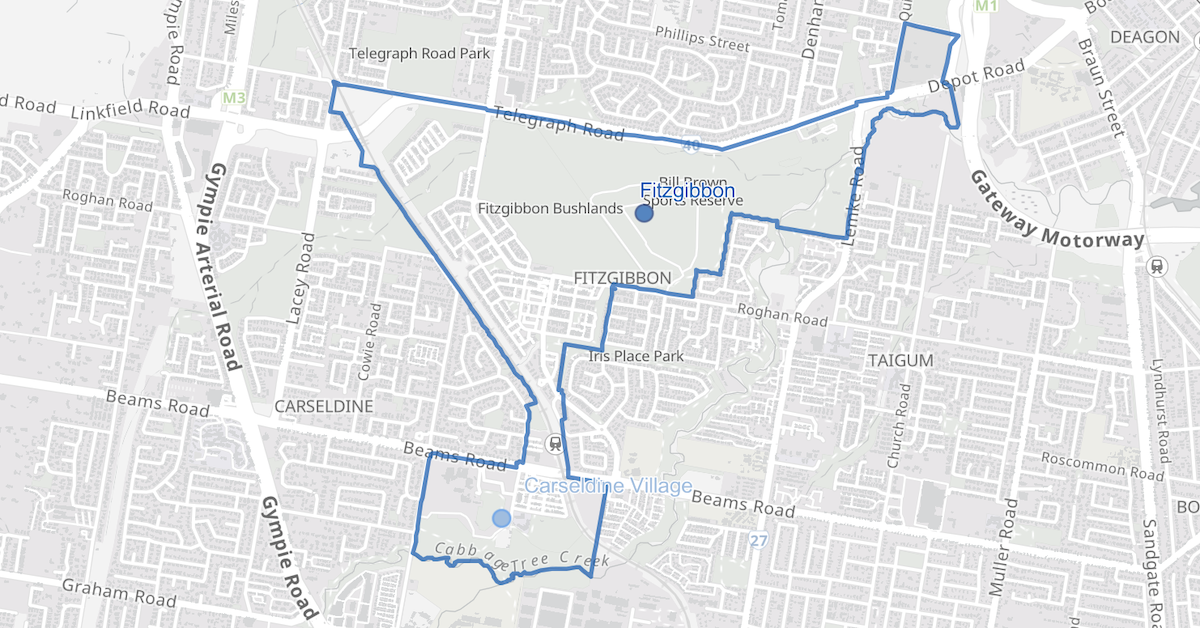
The declaration of the Fitzgibbon Priority Development Area in 2008 set the scene for substantial residential development across the district while planning documents also recognised significant bushland, open space and ecological corridors.
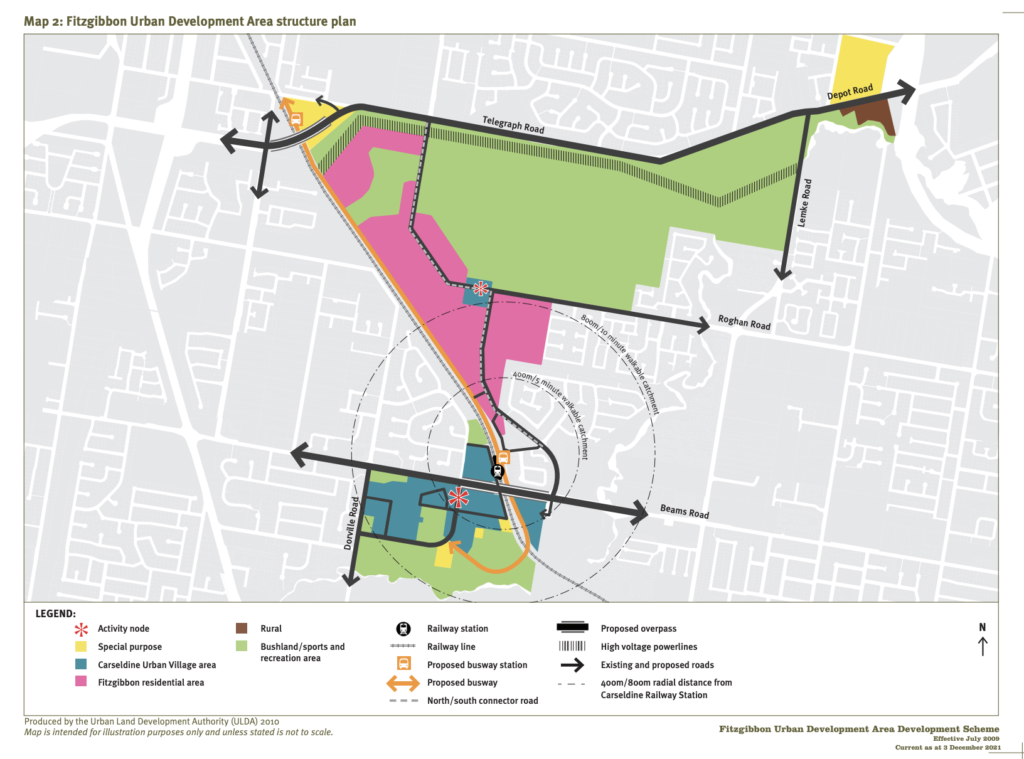
Photo Credit: edq.qld.gov

Nearby Boondall Wetlands adds to the environmental importance of the broader area. Mangroves, tidal flats, wetlands and forest provide habitat for native wildlife and migratory shorebirds only a short distance from established suburbs.


Mr Fitzgibbon helped force colonial lawmakers to decide how far they were prepared to depart from railway convention to build a network Queensland could afford. Today, the suburb bearing his name sits inside another debate over how a growing city accommodates housing while retaining valuable natural habitat.

Published 21-Aug-2026

Fitzgibbon Is Named After the Man Who Changed Queensland Rail

On Brisbane’s northside, where modern housing meets remnants of bushland, there is little to suggest a place anchored in colonial drama. In Fitzgibbon, the suburban streets hum with the quiet routine of modern life, showing few visual clues to the fierce debates that once shaped the state. 


Embedded in the locality’s identity, however, lies the footprint of an Irish engineer who helped convince a cash-strapped colonial government to make a contentious infrastructure gamble.

An engineer with a cheaper way west

Colonial ambition demanded better access to the rich agricultural lands of the Darling Downs, while bullock teams struggled over rough roads vulnerable to bad weather. Abraham Fitzgibbon arrived in Queensland in June 1863 and was soon drawn into the colony’s search for an affordable railway. Appointed Chief Engineer in September, the former New Zealand railway consultant advocated a narrow 3 ft 6 in gauge rather than the 4 ft 8½ in standard gauge.

The narrower system promised cheaper construction and greater flexibility through difficult country. Opposition was fierce. Debate over the 1863 Railway Bill focused heavily on the proposed gauge, while critics in Parliament and the press questioned whether the colony was taking too great a risk on an unconventional main-line railway.

Queensland ultimately backed Mr Fitzgibbon’s approach.

Three feet six inches — and no turning back

Crews broke ground on the first section at North Ipswich in 1864 after months of political argument. Queensland’s first railway opened to Bigge’s Camp, later Grandchester, on 31 July 1865, and the network soon pushed west towards Toowoomba, Dalby and Warwick.

The opening vindicated narrow gauge as a workable railway system, but Mr Fitzgibbon’s own career remained contentious. Professional and political disputes continued around the railway program, and his contract was terminated in 1867.

Abraham Fitzgibbon’s petition to the Queensland Legislative Assembly, dated 2 October 1867, in which the former Chief Engineer of the Southern and Western Railway challenged official reports about his conduct and sought an opportunity to defend his professional reputation.
Photo Credit:
National Library of Australia

Mr Fitzgibbon later returned to Britain and died at Bushey Heath, Hertfordshire, in 1887, but the gauge he championed endured. By the turn of the century, thousands of kilometres of narrow-gauge railway had been laid across Queensland, forming the backbone of a network that connected inland communities with ports and markets.

Much of Queensland’s rail system still operates on the same 1,067 mm gauge.

His name found a home a century later

A century after the first railway opened, Mr Fitzgibbon’s name resurfaced on Brisbane’s expanding northside. The suburb was formally named after him in 1971, giving a comparatively modern community an unexpected link to Queensland’s pioneering railway history.

The declaration of the Fitzgibbon Priority Development Area in 2008 set the scene for substantial residential development across the district while planning documents also recognised significant bushland, open space and ecological corridors.

Photo Credit: edq.qld.gov

Nearby Boondall Wetlands adds to the environmental importance of the broader area. Mangroves, tidal flats, wetlands and forest provide habitat for native wildlife and migratory shorebirds only a short distance from established suburbs.


Mr Fitzgibbon helped force colonial lawmakers to decide how far they were prepared to depart from railway convention to build a network Queensland could afford. Today, the suburb bearing his name sits inside another debate over how a growing city accommodates housing while retaining valuable natural habitat.

Published 21-Aug-2026

Bracken Ridge Yards Targeted in Suburban Wastewater Blitz

Urban Utilities inspectors now possess the legal authority to enter private properties across Bracken Ridge to hunt for household plumbing faults that are flooding the local sewer network.


The Smoke Screen 

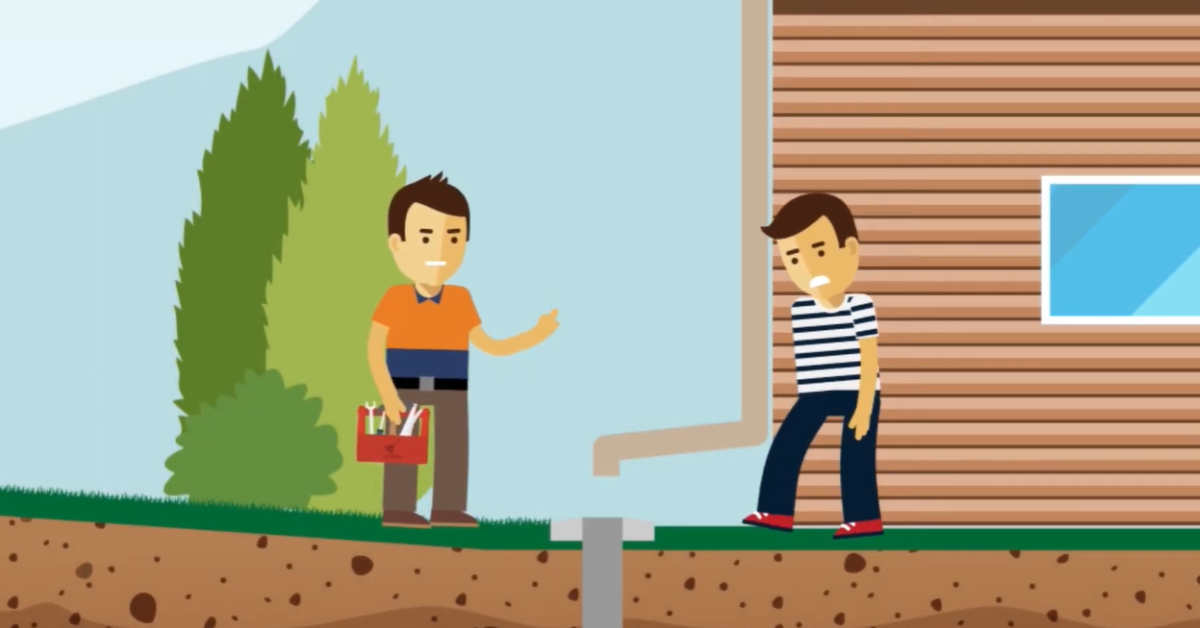
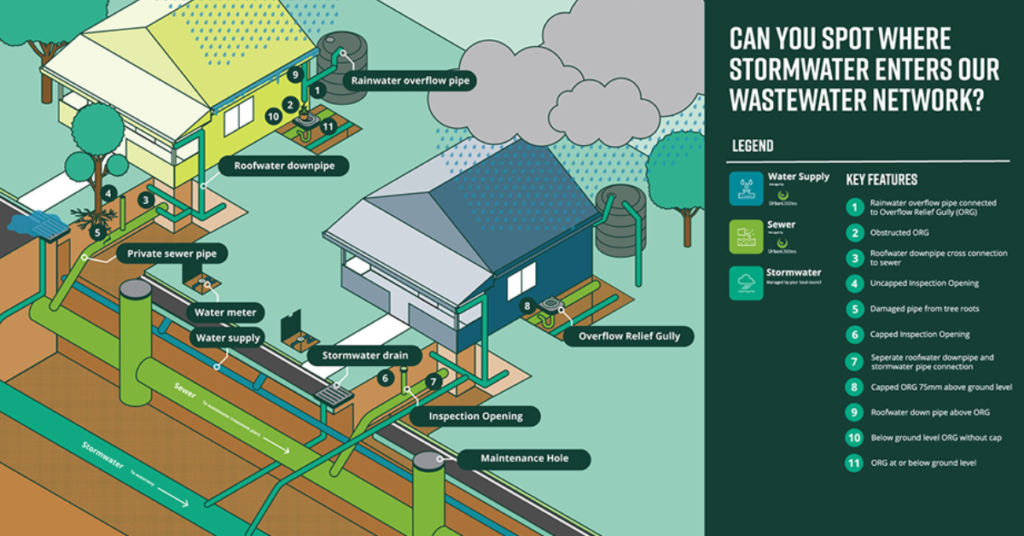
Starting from July 1, the Wet Weather Overflow Reduction Programme will roll out across Brisbane and Ipswich to tackle stormwater overwhelming the system. How exactly do you find a hidden pipe crack? You use smoke. Delivery crews will pump non-toxic vapour into neighbourhood maintenance holes. If a home is properly connected, the harmless cloud simply vents out through the roof. 

A sudden plume of smoke rising from a garden bed or a roof gutter tells a very different story. That signals an illegal connection or a broken pipe. Residents do not even need to be home for this process, though crews do require access to yards.

The Cost of Compliance 

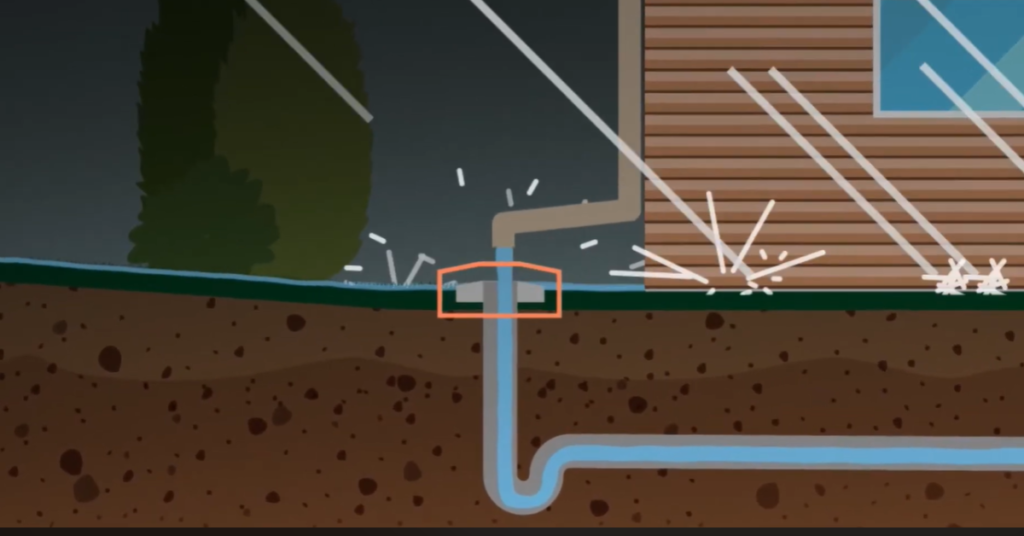
The financial burden of fixing these faults falls heavily on the homeowner. Utility data indicates that private properties generate about three-quarters of the excess water flooding the network, with one in ten properties hooked up incorrectly. Those caught with illegal downpipe connections must pay for the repairs out of their own pockets. The authority will only cover the cost of free caps for low-lying overflow gullies. 

Defending the scheme, an Urban Utilities representative noted the testing acts as a diagnostic tool to guide future actions. They maintained that managing weather impacts requires cooperation, adding that the utility continues to invest in its own infrastructure upgrades while working with local councils.


A One-Sided Inspection?

The current mandate zeroes in exclusively on the customer side of the property line. Public notices completely omit any plans to inspect the utility’s own public network. Much of that mainline infrastructure dates back to the 1960s and 1970s. Does the South-East Queensland Water Act strip locals of their privacy? No. Despite the new powers of entry, community members still hold fundamental rights. A resident can demand official identification from any inspector at their gate. If the timing is bad, homeowners can legally request the checks be rescheduled to a more appropriate hour.

Published Date 19-August-2026

Taigum Hit with Brisbane’s Sharpest Rates Increase in Council Budget

Taigum households will pay more in rates than nearly any other Brisbane suburb, after Brisbane City Council’s latest budget revealed an 8.02 per cent jump in average charges for the northside community, more than double the city-wide average.


Council Budget Signals Shift for Suburban Ratepayers

Brisbane City Council’s $4.1 billion 2025–26 budget promises suburban investment, but not all areas are affected equally. Taigum residents will see their rates rise by $136.31 to an average of $1,664.06,  an 8.02 per cent increase, more than double the city-wide average. 

Photo Credit: Brisbane City Council

The Council hasn’t explained the suburb-specific jump, though land revaluations and local upgrades are possible factors. Taigum is close to major projects like the Beams Road upgrade, which may be influencing costs. While the Lord Mayor says the budget supports essential infrastructure, locals will notice the hit to their household bills.

Transport Projects Bring Big Spending to the Northside

The Beams Road upgrade is one of the biggest projects affecting Taigum, with more than 20,000 vehicles using the road daily. Plans include widening it to four lanes, adding a pedestrian underpass, improving shared paths, and upgrading bus stops. 

Photo Credit: Brisbane City Council

These works aim to reduce congestion and improve safety in a growing part of Brisbane’s north. Some residents question whether infrastructure like this is driving up local rates. The Council says the project is a northern suburbs priority, with funding from both local and federal sources.

Community Spending Tied to Green Projects and Olympic Legacy

Taigum could see some green benefits from Brisbane City Council’s broader push to improve suburban liveability. A citywide rollout of green waste bins is on the way, with Taigum households among those included. 

Photo Credit: Brisbane City Council

The suburb might also feel the flow-on effects of new parks in nearby areas and a $1.9 million tree planting program linked to Olympic corridor upgrades. While Taigum isn’t in the heart of Olympic planning, its streetscapes could still see a boost. These initiatives aim to make everyday life a little cleaner, cooler and more connected.

A Costly Year Ahead for Families in Taigum

For Taigum residents already juggling rising living costs, the 8.02 per cent rates increase adds another pressure. It means paying about $3 more each week for the same local services. Council says most of the budget is focused on suburbs, including projects like Beams Road and waste services. 


The real test will be whether locals feel these changes are worth the extra cost. As upgrades roll out, the suburb may become better connected and greener,  but not without a higher bill.

Published 02-July-2025

Featured Photo Credit: Brisbane City Council