



Fitzgibbon Is Named After the Man Who Changed Queensland Rail

On Brisbane’s northside, where modern housing meets remnants of bushland, there is little to suggest a place anchored in colonial drama. In Fitzgibbon, the suburban streets hum with the quiet routine of modern life, showing few visual clues to the fierce debates that once shaped the state. 


Embedded in the locality’s identity, however, lies the footprint of an Irish engineer who helped convince a cash-strapped colonial government to make a contentious infrastructure gamble.

An engineer with a cheaper way west

Colonial ambition demanded better access to the rich agricultural lands of the Darling Downs, while bullock teams struggled over rough roads vulnerable to bad weather. Abraham Fitzgibbon arrived in Queensland in June 1863 and was soon drawn into the colony’s search for an affordable railway. Appointed Chief Engineer in September, the former New Zealand railway consultant advocated a narrow 3 ft 6 in gauge rather than the 4 ft 8½ in standard gauge.
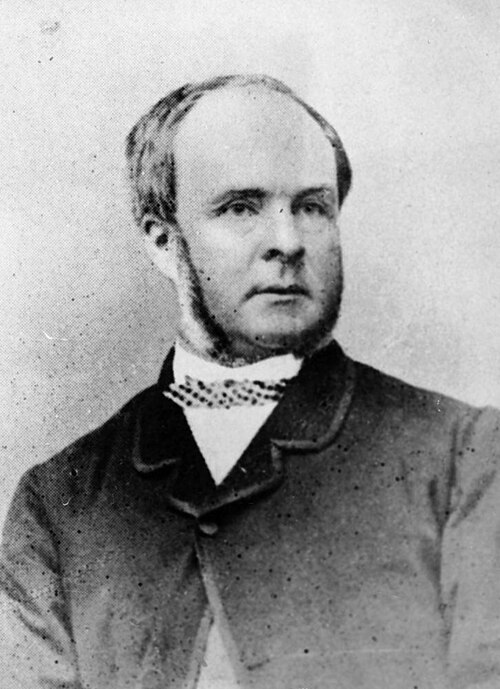
The narrower system promised cheaper construction and greater flexibility through difficult country. Opposition was fierce. Debate over the 1863 Railway Bill focused heavily on the proposed gauge, while critics in Parliament and the press questioned whether the colony was taking too great a risk on an unconventional main-line railway.

Queensland ultimately backed Mr Fitzgibbon’s approach.

Three feet six inches — and no turning back

Crews broke ground on the first section at North Ipswich in 1864 after months of political argument. Queensland’s first railway opened to Bigge’s Camp, later Grandchester, on 31 July 1865, and the network soon pushed west towards Toowoomba, Dalby and Warwick.

The opening vindicated narrow gauge as a workable railway system, but Mr Fitzgibbon’s own career remained contentious. Professional and political disputes continued around the railway program, and his contract was terminated in 1867.
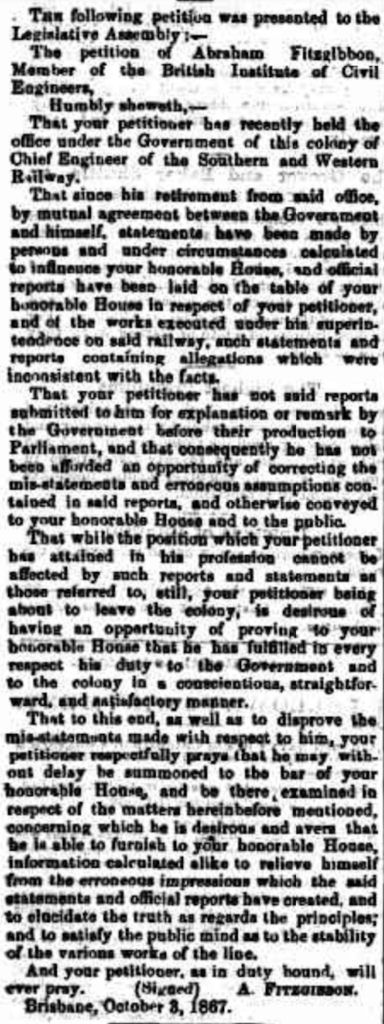
Abraham Fitzgibbon’s petition to the Queensland Legislative Assembly, dated 2 October 1867, in which the former Chief Engineer of the Southern and Western Railway challenged official reports about his conduct and sought an opportunity to defend his professional reputation.
Photo Credit:
National Library of Australia

Mr Fitzgibbon later returned to Britain and died at Bushey Heath, Hertfordshire, in 1887, but the gauge he championed endured. By the turn of the century, thousands of kilometres of narrow-gauge railway had been laid across Queensland, forming the backbone of a network that connected inland communities with ports and markets.

Much of Queensland’s rail system still operates on the same 1,067 mm gauge.

His name found a home a century later

A century after the first railway opened, Mr Fitzgibbon’s name resurfaced on Brisbane’s expanding northside. The suburb was formally named after him in 1971, giving a comparatively modern community an unexpected link to Queensland’s pioneering railway history.

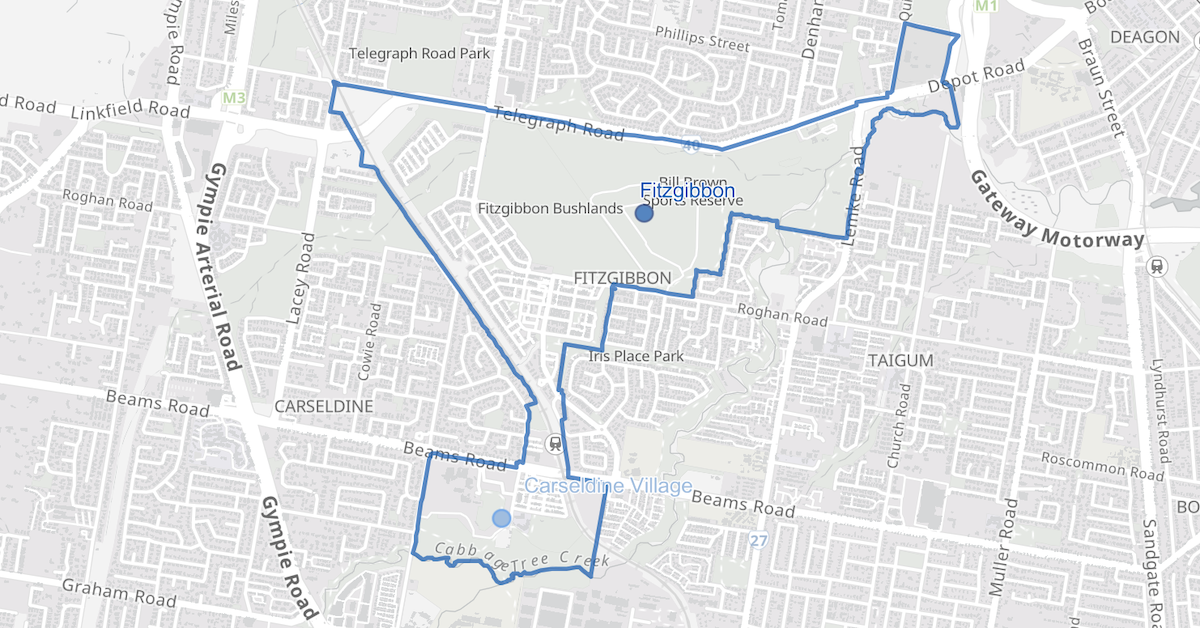
The declaration of the Fitzgibbon Priority Development Area in 2008 set the scene for substantial residential development across the district while planning documents also recognised significant bushland, open space and ecological corridors.
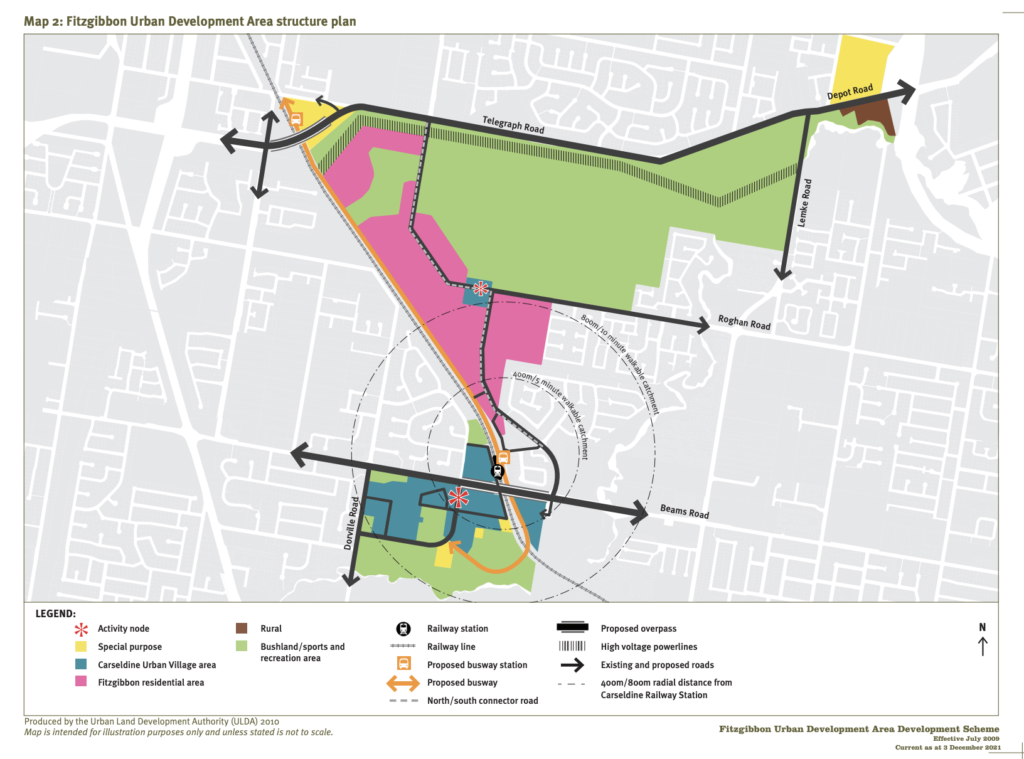
Photo Credit: edq.qld.gov

Nearby Boondall Wetlands adds to the environmental importance of the broader area. Mangroves, tidal flats, wetlands and forest provide habitat for native wildlife and migratory shorebirds only a short distance from established suburbs.


Mr Fitzgibbon helped force colonial lawmakers to decide how far they were prepared to depart from railway convention to build a network Queensland could afford. Today, the suburb bearing his name sits inside another debate over how a growing city accommodates housing while retaining valuable natural habitat.

Published 21-Aug-2026

Fitzgibbon Is Named After the Man Who Changed Queensland Rail

On Brisbane’s northside, where modern housing meets remnants of bushland, there is little to suggest a place anchored in colonial drama. In Fitzgibbon, the suburban streets hum with the quiet routine of modern life, showing few visual clues to the fierce debates that once shaped the state. 


Embedded in the locality’s identity, however, lies the footprint of an Irish engineer who helped convince a cash-strapped colonial government to make a contentious infrastructure gamble.

An engineer with a cheaper way west

Colonial ambition demanded better access to the rich agricultural lands of the Darling Downs, while bullock teams struggled over rough roads vulnerable to bad weather. Abraham Fitzgibbon arrived in Queensland in June 1863 and was soon drawn into the colony’s search for an affordable railway. Appointed Chief Engineer in September, the former New Zealand railway consultant advocated a narrow 3 ft 6 in gauge rather than the 4 ft 8½ in standard gauge.

The narrower system promised cheaper construction and greater flexibility through difficult country. Opposition was fierce. Debate over the 1863 Railway Bill focused heavily on the proposed gauge, while critics in Parliament and the press questioned whether the colony was taking too great a risk on an unconventional main-line railway.

Queensland ultimately backed Mr Fitzgibbon’s approach.

Three feet six inches — and no turning back

Crews broke ground on the first section at North Ipswich in 1864 after months of political argument. Queensland’s first railway opened to Bigge’s Camp, later Grandchester, on 31 July 1865, and the network soon pushed west towards Toowoomba, Dalby and Warwick.

The opening vindicated narrow gauge as a workable railway system, but Mr Fitzgibbon’s own career remained contentious. Professional and political disputes continued around the railway program, and his contract was terminated in 1867.

Abraham Fitzgibbon’s petition to the Queensland Legislative Assembly, dated 2 October 1867, in which the former Chief Engineer of the Southern and Western Railway challenged official reports about his conduct and sought an opportunity to defend his professional reputation.
Photo Credit:
National Library of Australia

Mr Fitzgibbon later returned to Britain and died at Bushey Heath, Hertfordshire, in 1887, but the gauge he championed endured. By the turn of the century, thousands of kilometres of narrow-gauge railway had been laid across Queensland, forming the backbone of a network that connected inland communities with ports and markets.

Much of Queensland’s rail system still operates on the same 1,067 mm gauge.

His name found a home a century later

A century after the first railway opened, Mr Fitzgibbon’s name resurfaced on Brisbane’s expanding northside. The suburb was formally named after him in 1971, giving a comparatively modern community an unexpected link to Queensland’s pioneering railway history.

The declaration of the Fitzgibbon Priority Development Area in 2008 set the scene for substantial residential development across the district while planning documents also recognised significant bushland, open space and ecological corridors.

Photo Credit: edq.qld.gov

Nearby Boondall Wetlands adds to the environmental importance of the broader area. Mangroves, tidal flats, wetlands and forest provide habitat for native wildlife and migratory shorebirds only a short distance from established suburbs.


Mr Fitzgibbon helped force colonial lawmakers to decide how far they were prepared to depart from railway convention to build a network Queensland could afford. Today, the suburb bearing his name sits inside another debate over how a growing city accommodates housing while retaining valuable natural habitat.

Published 21-Aug-2026

Fitzgibbon Community on Alert after High-Value Rescue Puppies Stolen from Local Shelter

Two highly sought-after rescue puppies valued at thousands of dollars have been stolen from a Fitzgibbon animal shelter, sparking a desperate community search to bring them safely back.


puppies
Photo Credit: Queensland Police

Thieves targeted the Warra Animal Rehoming Centre on Telegraph Road late Tuesday night, striking at approximately 11:40 p.m. Queensland police investigators noted that the unknown offenders forced their way into the facility before snatching the two Staffordshire Bull Terriers, affectionately named Goose and Kryptos. The sudden theft forced the shelter, which is operated by the Animal Welfare League Queensland near the Bracken Ridge border, to close its operations entirely on Wednesday, 22 June 2026. 

These specific dogs are often targeted for their high market value, with typical Staffordshire Bull Terrier puppies selling for anywhere between $2,000 and $5,000 through private breeders. However, shelter workers stressed that their primary concern is not the monetary loss but the health and safety of the young animals. 

Staff members explained that the puppies were in the middle of receiving essential care when they were taken, making their safe return an urgent medical priority.


Police officially launched a public appeal on June 23, asking local residents to keep a close eye out for the missing dogs. Shelter representatives and law enforcement share the same goal of getting Goose and Kryptos back to a secure environment where they can finish their treatments. Authorities are urging anyone who spots the puppies or notices suspicious activity in the area to submit a report online through Policelink to help track down the offenders.

Published Date 25-June-2026

Photo Credit: Queensland Police

Bunnings Investigates After Faulty Acetylene Cylinder Explodes in Bracken Ridge

A massive car park explosion triggered by a faulty hardware store gas cylinder shook homes across Bracken Ridge and surrounding northern suburbs, leaving an elderly local couple incredibly lucky to be alive.


A Morning Shaken by a Sudden Blast

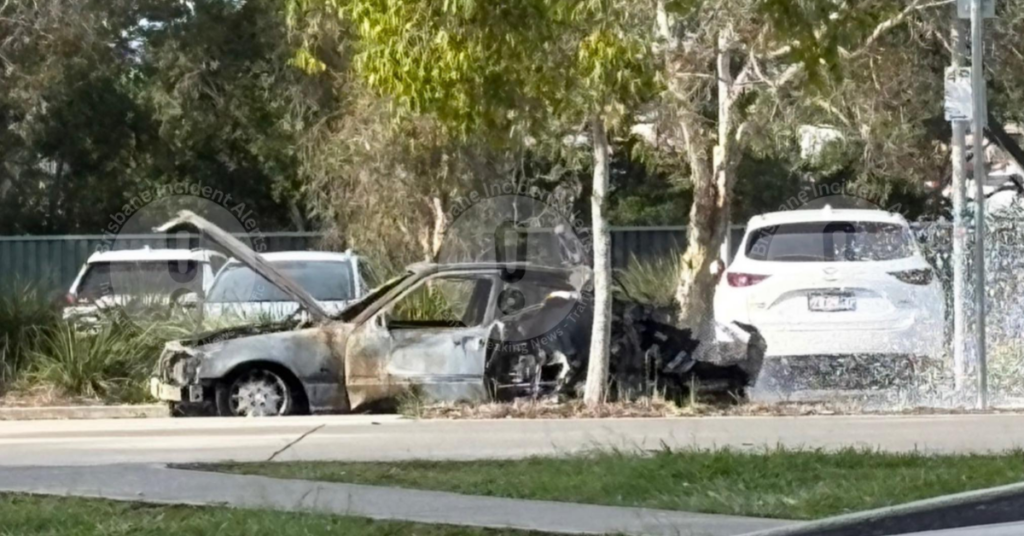
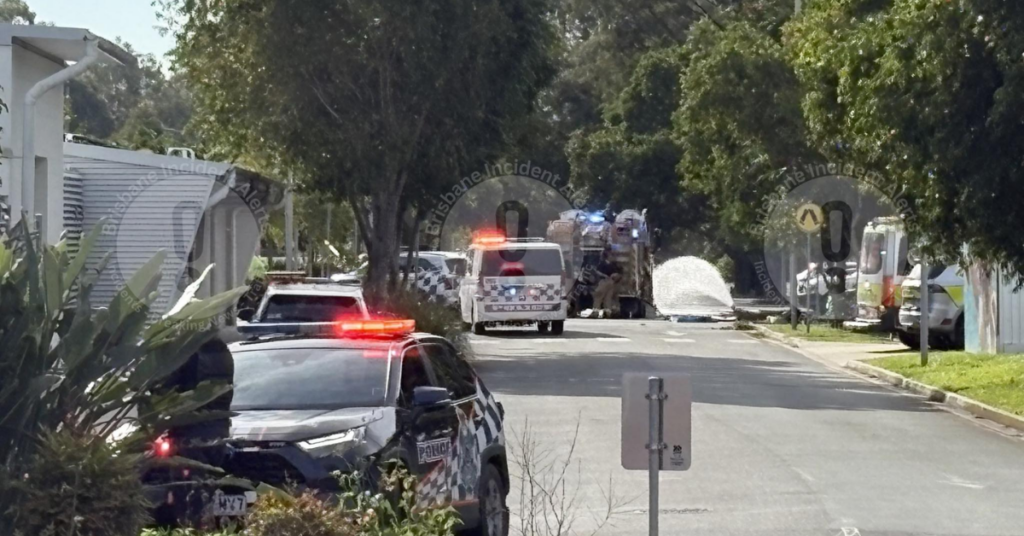
Residents living near the Emily Seebohm Aquatic Centre along Telegraph Road in Fitzgibbon were startled early on Tuesday morning, 2 June 2026, when a sedan violently burst into flames. The force of the detonation was so powerful that the rumble reverberated through multiple neighbouring communities, including Taigum, Sandgate, Zillmere, and Bracken Ridge, where locals reported that the blast was loud enough to physically shake their homes.

CCTV footage captured from the scene showed the sedan reversing out of a parking space and driving forward just moments before it was suddenly consumed by a massive wall of fire and thick smoke. The blast was violent enough to hurl heavy shrapnel entirely across the car park, causing significant damage to several other vehicles parked nearby.

Community Members Rush to Help

In the immediate aftermath of the explosion, quick-thinking bystanders rushed toward the burning vehicle to pull the elderly driver and his wife to safety. Queensland Ambulance Service paramedics arrived shortly after the 7:30 AM incident to treat the couple, who are both in their 70s.

The woman suffered lacerations to her leg from the flying debris, while her husband required treatment for ringing ears and pain caused by the immense blast radius. Both were transported to the Royal Brisbane and Women’s Hospital in stable conditions, with emergency workers noting that their injuries could have been far worse given the volatile nature of the chemical involved.

The Hidden Danger in the Boot

Fire authorities later determined that the emergency was caused by an acetylene gas cylinder stored inside the boot of the car. Taigum Fire Station Officer Tony Lawrie explained that the driver had actually purchased the cylinder from Bunnings the previous day but noticed the distinct smell of gas leaking while at his home. Hoping to remedy the situation safely, the man ensured the valve was turned off, placed the cylinder into his vehicle, and began driving it back to the hardware store to exchange it for a safe one.

However, gas had been silently escaping from a fault underneath the valve assembly, completely filling the enclosed boot space with a highly unstable fuel source. The mixture ignited the exact moment the driver attempted to open the boot at the local pool car park. Two fire and rescue crews fought the resulting blaze and remained on the scene until 11:40 AM to ensure the volatile cylinder was cooled down and entirely safe.


Investigation and Retailer Response

Bunnings has confirmed that it is actively investigating how the faulty cylinder managed to leak despite being turned off. A spokesperson for the hardware chain expressed well wishes for the couple’s recovery and stated that the company would cooperate fully with local authorities. The retailer also issued a general reminder to the public regarding the high importance of following strict manufacturer guidelines and legal safety regulations whenever transporting or storing compressed gas cylinders.

Published Date 03-June-2026

Photo Credit: Brisbane Alerts/ Facebook

The Men’s Breakfast in Fitzgibbon: A Monthly Gathering Every Man Should Experience

As the sun rises each month, hundreds of men gather at Dale Farm in Fitzgibbon for breakfast, stories and a reminder that resilience often grows through shared experience.

It was a very humid morning as I drove to Fitzgibbon, an interesting local community surrounded by green spaces near Carseldine, to an interesting house and some very interesting people.

Fitzgibbon is named after Abraham Fitzgibbon, the engineer who designed early Queensland railways. Fittingly, the suburb sits beside the North Coast railway line that helped develop the Carseldine–Bald Hills corridor.

Fitzgibbon didn’t really exist until the 1980s, when rural subdivisions began to take shape. Parts of the suburb were built on landfill, particularly around Telegraph Road and Roghan Road.

Meet Hudson Dale

Hudson Dale is an extraordinarily selfless man. I don’t fully understand how he has developed his amazing monthly men’s breakfast; but what I do know is we need more Hudson Dales on this planet.

Around 200 men gathered on Saturday morning in Hudson’s converted barn as the sun rose, kicking off around 6:30am.

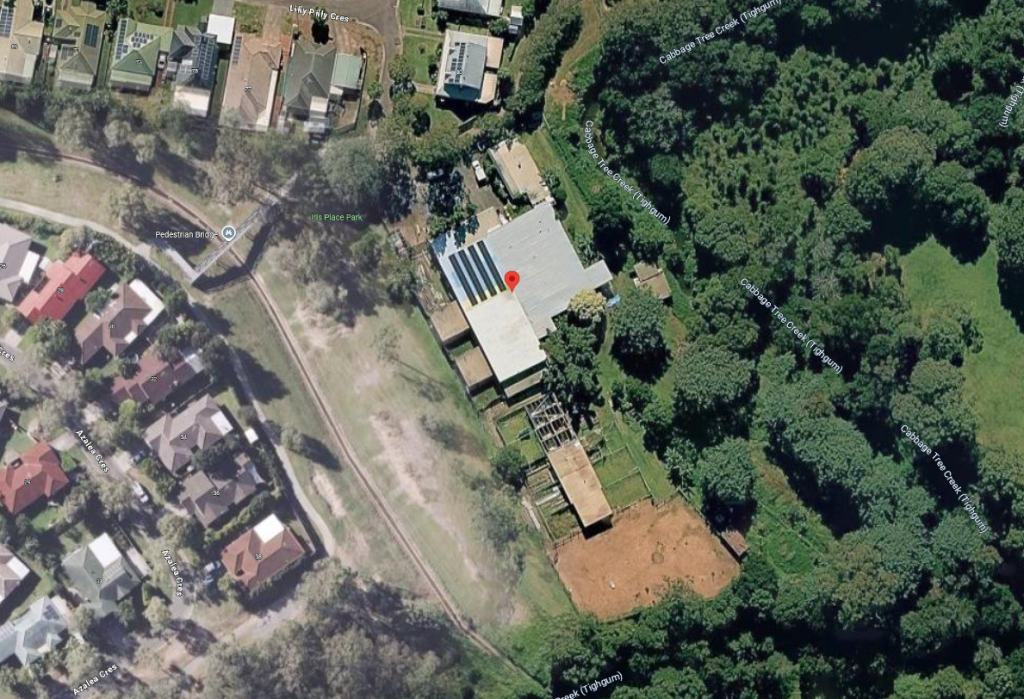
The property once flooded badly and tested Hudson’s love of what he calls Dale Farm, a sprawling acreage property among an estate of normal sized blocks. Quite inexplicable how this enormous block sits within Desert Willow Way –- it’s one of many eccentric but brilliant components of Hudson’s life.

A long line up for the great coffee, multiple volunteers cooking bacon, eggs, snags and toast, without fanfare… selflessness on full display.

I was an outsider, my first attendance at a monthly event that I had heard a lot about. In fact, my good friend Andre Moore, the former Bullets star and Denver Nugget, had previously been guest speaker and he had invited me but I couldn’t make it.

A gentleman introduced himself to me — Daniel. He had suffered a major car accident, the type where you spend 18 months in hospital while surgeons rebuild you. After running a very busy surveying business in Katherine, NT, he had recently moved from a wheelchair to walking with the assistance of a four-wheel walker as his rehabilitation unfolded.

The grace and dignity in this man would inspire anyone who met him. His family (including three kids) will have been through the most terrible journey, but Daniel was magnetic and hopefully, his recovery and continued progress will enable him to flourish.

The men that attended ranged in age from their early 20s to their 70s — business people, people looking for inspiration and company and sports people.

Ian Jacob, three time world kickboxing champion, who looked in incredible shape, was in attendance.

Issac Hardman was also in attendance, a young UFC fighter who was about to fight in his next IBC event having knocked out his previous opponent. IBC is a new derivation in the mould of what T20 is to cricket, a smaller cage so less room to retreat, two minute rounds and no grappling. You can follow Isaac’s career progress here, including his post-fight speech after another successful night in the ring.

Quite a panoply of men who all had a story. Hudson’s off-the-cuff intro was hilarious. The warmth of the welcome was world-class and the main event didn’t disappoint. The main event was Barney Lewis.

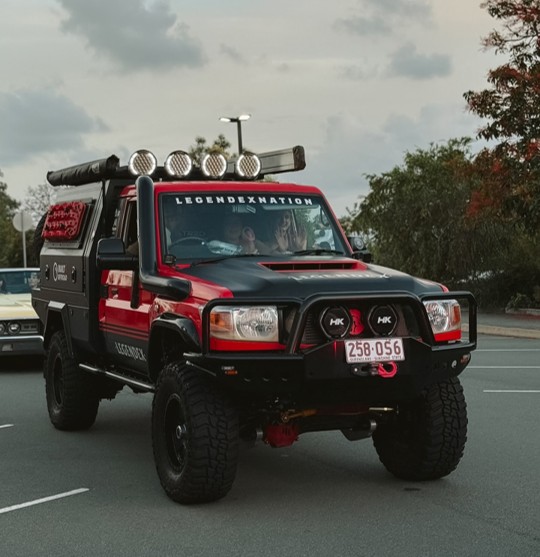
Barney Lewis is quite a bloke. His business Legendex, based in Narangba, is a one-stop shop for four-wheel-drives.

Barney’s 45-minute speech was world-class. It touched on the rugged story of his life and the rugged territory he had driven through. The theme was resilience, presented to a room of men that appreciated the lows that life can bring.

He related the amazing story of driving the $1000 Track in Tasmania, known to be a catastrophe for anyone attempting it. Catastrophe, that is, for the vehicles that are designed to withstand the extreme conditions but rarely do. In fact, constantly repairing broken vehicles is the common outcome.

If you haven’t heard of the ‘Thousand Buck Track‘, here’s an insight into it:

He was a fan of the “half-bloke from Ipswich” –- you had to be there to appreciate who he was talking about, but the reference brought the house down.

He brought his big, red fire truck, a great example of a vehicle he has broken over and over and always repaired and made stronger.

A brilliant analogy for his life story.

Photo Credit: Facebook/Barney Lewis

Barney is a leader who would constantly divert respect and pride for his offsider, Jesse and his son Jackson.

His story covered his rollercoaster business and personal life, which would have resonated with the audience.

Here’s a longer form version of Barney’s business story on a podcast called the Wildcast. The host was also in attendance.

The Men’s Breakfast happens every month, graced by men from far and wide, keen to get up at the crack of dawn to attend an event with a purpose — inspiring resilience but not in a one-dimensional way, focused instead on hearing great stories and being amongst a great group of blokes.

Hudson Dale is a force of nature who is quietly building a movement. Whilst his days focus on Commercial Real Estate as a Director of Raine and Horne based in Kedron, his curation of the Men’s Breakfast deserves a spotlight.

We really do need more Hudson Dales.

Published 8-March-2026

Holy Spirit College Launches STEAM Program to Ease Year 6 to Year 7 Transition for Local Students

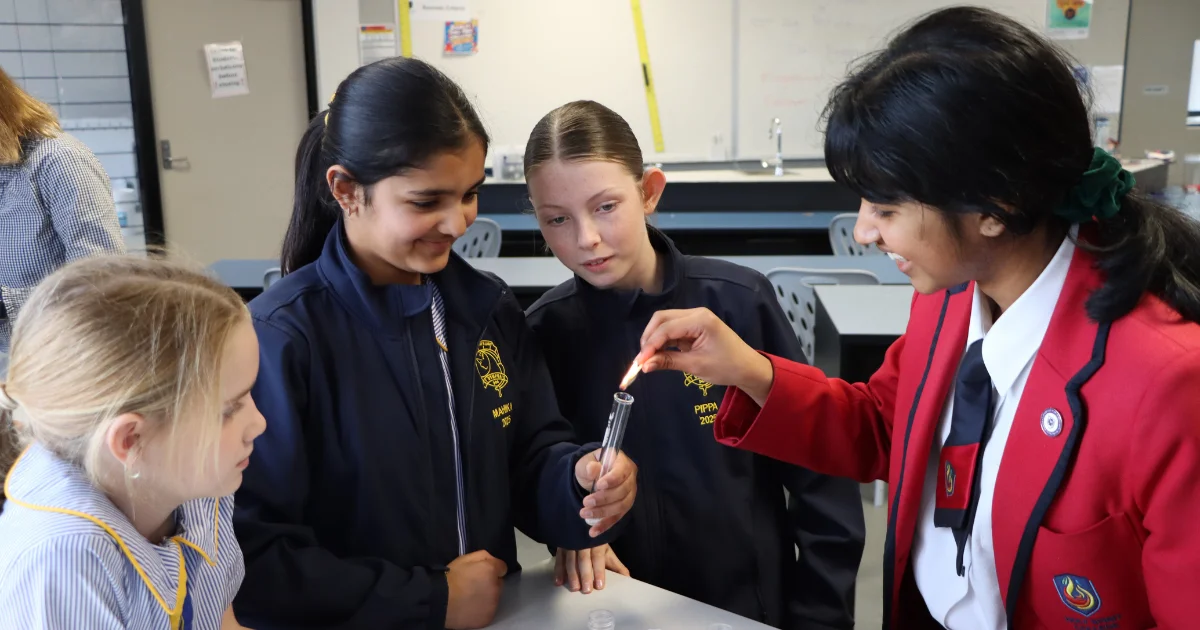
Holy Spirit College Fitzgibbon is bridging the gap between primary and secondary education with a cutting-edge STEAM program designed to prepare Year 6 students for the challenges of high school, including students from St Dympna’s Parish School in Aspley.


Read: Holy Spirit College Fitzgibbon, New Secondary Catholic School in 56 Years, Officially Opens


The Primary School Transition Program focuses on Science, Technology, Engineering, Arts and Maths (STEAM), giving students hands-on experience with secondary school learning before they officially begin Year 7.

“It’s a launchpad to success in secondary school,” said Holy Spirit College Acting Principal Andrew McEwan.

The initiative comes as the college seeks to create meaningful connections with surrounding primary schools while supporting Brisbane Catholic Education (BCE) students through what can be an intimidating transition period.

Future-Focused Education

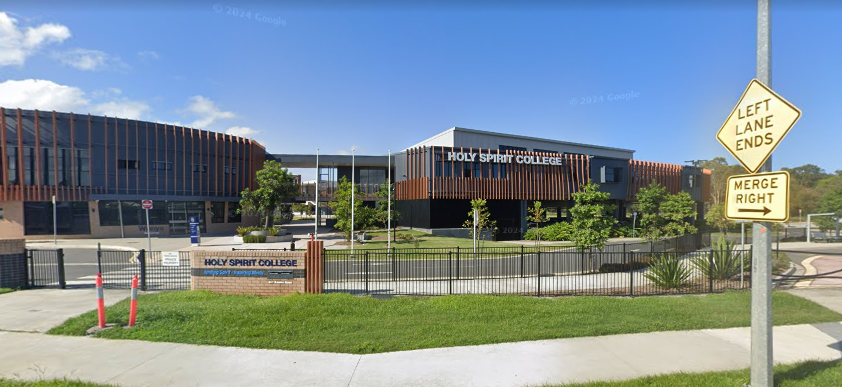
Holy Spirit College
Photo credit: Google Street View

Mr McEwan said the program was developed with future graduates in mind.

“When developing our College’s Primary School Transition Program for Year 6 students we had to consider, ‘what does a graduate of 2027 and beyond look like, what future skills will they need?’,” he said.

“For us, it was a no-brainer to develop a STEAM transition program. Not only will students need STEAM knowledge and skills for their futures, but it’s also the foundation for many secondary subjects as students, especially as students near Year 11 and 12.”

The program offers multiple benefits beyond subject knowledge. Students build connections and familiarity with the college environment, develop their identity within the school community, and gain context for what lies ahead in secondary education.

“The program also allows our educators to see what knowledge students already have in STEAM, so when their first day of secondary school comes around both staff and students feel prepared,” Mr McEwan said.

The Primary School Transition Program

Holy Spirit College
Photo credit: St Dympna’s Primary School/Google Maps

Five BCE primary schools are currently participating in the Primary School Transition Program:

  • St Flannan’s School, Zillmere
  • St Kevin’s School, Geebung
  • St Joseph’s Catholic Primary School, Bracken Ridge
  • St Dympna’s Parish School, Aspley
  • Sacred Heart Primary School, Sandgate

The program operates as a reciprocal partnership between schools, with benefits extending to primary school educators as well as students.

“The program is also an opportunity for BCE’s primary educators to shadow our educators, see our teaching practices in person, and pick up techniques that can build independence in Year 6 learners as they prepare them for secondary school,” Mr McEwan said.

“Primary educators can then take these practices in their own Year 6 classrooms helping learners build critical thinking, skills they will need in secondary school.”

Student-Led Learning Initiatives

A highlight of the program has been the involvement of Holy Spirit College students selected for the University of Queensland Science Ambassador program, who mentor primary students in STEAM subjects.

“The Science Exchange with St Dympna’s Primary School allowed our students to lead and engage Year 6 students as a part of this Transition Program,” Mr McEwan said.

Other collaborative projects have seen Year 8 and 9 students work with Sacred Heart Primary School Year 2 students to create a mural focusing on environmental sustainability and Pope Francis’ Laudato Si’ encyclical promoting care for our common home.

Senior phase students also supported St Kevin’s Primary School ‘Spotlight on STEM’ event, highlighting knowledge and skills learned from the college’s innovative curriculum while developing a passion for STEM in primary school students.

Beyond Year 6

Mr McEwan emphasised that the college’s transition support extends well beyond the traditional Year 6 to Year 7 pathway.

“We engage with our parent community from Year 3 onwards, touching base with families throughout the year and engaging students in a variety of activities that get them interested in secondary education,” he said.

The college also supports students who commence in later years, recognising that every transition is unique.


Read: Speed Awareness Monitors Installed At St Dympna’s Primary School


“Every transition is unique and our College will continue to work with families to ensure the transition to our College is as seamless as possible for our students,” Mr McEwan said.

Holy Spirit College will continue to expand its transition programs in 2026.

Published 13-February-2026

Featured Image Credit: St Dympna’s Parish School students with Holy Spirit College students/Supplied